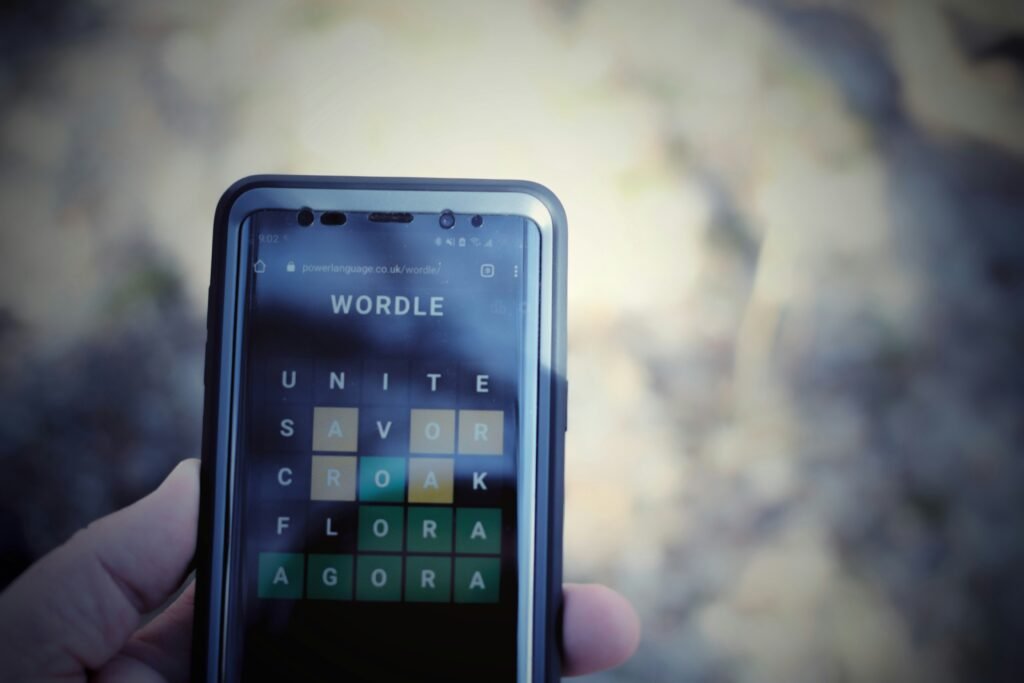
Tom's Guide to Wordle
Introduction to Wordle
Wordle is a fascinating word puzzle game that has captured the attention of players worldwide since its release. The game presents a new five-letter word challenge each day, and players are tasked with guessing the word within six attempts. The simplicity of the game is one of the primary reasons for its soaring popularity; it requires no downloads or app subscriptions, making it easily accessible through any web browser. Moreover, its minimalist design, which features just a grid of empty squares and a virtual keyboard, allows players to focus entirely on the challenge at hand.
At its core, the mechanics of Wordle involve strategic guessing based on feedback provided after each attempt. The game uses a color-coded system to indicate which letters are correct and in the right position (green), correct but in the wrong position (yellow), and not in the word at all (grey). This feedback loop encourages players to think critically and anticipate possible words based on the letters they have correctly identified. As players engage with the daily puzzles, they experience a blend of cognitive challenge and satisfaction as they gradually arrive at the correct answer.
The viral success of Wordle can be attributed to several factors: its shareable format, the thrill of daily competition, and the communal aspect it fosters among players. Social media platforms have played a crucial role in this, as users post their results, encouraging others to join in the fun. Additionally, the limited playtime and the one-puzzle-per-day format create anticipation and engagement, making Wordle not only an enjoyable pastime but also a welcome mental exercise. As a reflection of its impact, Wordle has transformed into an entire cultural phenomenon that continues to inspire fans and players alike, establishing itself as a mainstay in the realm of online gaming.
Understanding the Rules
Wordle is a popular word puzzle game that challenges players to guess a hidden five-letter word within a limited number of attempts. The objective is simple: deduce the correct word using strategic guesses. Each player is allotted six attempts to unveil the secret word, which adds a layer of challenge and excitement to the game.
Upon making a guess, players receive immediate feedback presented through a color-coded system. There are three potential outcomes for each guessed letter. If a letter is placed correctly within the word, it will turn green, indicating its correct position. A yellow color signifies that the letter exists in the word, but is not positioned accurately, while gray denotes that the letter is not a part of the hidden word at all. This feedback is crucial, as it allows players to refine their subsequent guesses based on the information provided.
This mechanic encourages players to utilize deductive reasoning and strategic thinking, enhancing their overall gaming experience. Beyond merely guessing letters, players must consider letter frequency and common word structures, broadening their vocabulary as they engage with the game. The combination of guessing and interpreting provides an opportunity to develop innovative strategies, making the game appealing to a wide audience.
As players progress through their six attempts, successful interpretation of the feedback can significantly increase the likelihood of solving the puzzle. Familiarity with the various word combinations and patterns can also be advantageous, as it empowers players to make more informed guesses. The dynamic nature of Wordle not only provides entertainment but also fosters cognitive development through vocabulary building and critical thinking skills. Through mastering the rules and the strategic elements of the game, players can significantly enhance their experience, making Tom’s guide to Wordle a valuable resource for any aspiring player.
Daily Hints for Today’s Game
Engaging with the daily Wordle challenge requires both strategy and creativity. To enhance your gameplay and improve your chances of determining the correct word, consider the following hints that align with Tom’s guide to Wordle.
Firstly, start with a word that includes a mix of common consonants and vowels. The frequent letters such as E, A, R, and T can provide a solid foundation for discerning the word’s makeup. Incorporating these letters into your initial guess allows for broader feedback on what letters are present or absent, guiding your subsequent attempts.
Secondly, utilize the process of elimination effectively. Once you receive feedback from your guesses, take note of the letters that are marked as incorrect. Avoid using these letters in your following attempts to maximize your chances. By focusing on including new letters, you create an opportunity to uncover the targets hidden within the daily puzzle.
Additionally, think outside the box when considering potential words. Wordle often includes less common vocabulary, so be open to various possibilities. If you find yourself stuck, take a moment to reflect on synonyms or related terms that could serve as plausible solutions. This approach is crucial for expanding your thought process in alignment with the objectives of Tom’s guide to Wordle.
Finally, remain patient and adjust your strategies based on your guessing patterns. If you notice that your initial guesses lead to repeated failures, reassessing your choices can prove beneficial. The daily hints are designed to aid players in not only solving the day’s puzzle but also refining their overall Wordle strategies, ultimately enhancing their enjoyment of this intriguing word game.
Analyzing Past Wordle Answers
Understanding past answers in Wordle can provide valuable insights into the patterns and trends that emerge from the game. By analyzing previous words used in this popular online puzzle, players can enhance their strategies for future games. A thorough examination reveals certain commonalities in word lengths, frequent letter combinations, and the categories of words that tend to appear.
One striking trend observed is the frequent use of five-letter words, as this is the standard length for the daily Wordle challenge. Analyzing these five-letter responses reveals a predominant occurrence of vowels, particularly ‘A,’ ‘E,’ and ‘O.’ This tendency suggests that players might benefit from guessing words that contain a higher number of vowels. Additionally, certain consonants like ‘T,’ ‘R,’ and ‘S’ frequently appear alongside vowels, making them prominent choices for initial guesses.
Furthermore, examining the types of words selected in previous puzzles uncovers a mixture of common vernacular and less frequently used terms. This blend indicates that Wordle sometimes intentionally straddles the line between straightforward and obscure choices, creating a balanced challenge for players. In particular, words pertaining to specific themes—such as emotions, animals, and professions—have made notable appearances. Such thematic trends can serve as a guide when players are attempting to predict or deduce future answers.
In conclusion, the analysis of past Wordle answers demonstrates clear patterns in word length, common letter placements, and thematic choices. By understanding these elements through Tom’s Guide to Wordle, players can refine their guessing strategies, increasing their chances of success in this captivating word game.
Wordle Strategies and Tips
To succeed in Wordle, players must adopt effective strategies to optimize their chances of guessing the correct word within six attempts. One of the primary strategies involves selecting the right starting word. An effective starting word typically includes a combination of common consonants and multiple vowels. This approach allows players to maximize the information gained from the first guess.
Once a word is guessed, it is crucial to analyze the feedback provided by the game. This feedback consists of colored indicators that show which letters are correct and their respective positions. Players should focus on incorporating the revealed letters into their subsequent guesses while avoiding previously guessed letters that are marked as incorrect.
Another essential strategy is to balance the use of vowels and consonants. Given that Wordle words are composed of letters, players should not overlook the significance of filling in gaps with potential vowels. Words with a diverse mix of vowels and consonants enhance the opportunity to uncover the right combination of letters, thus refining the players’ guesses.
Moreover, precision in letter positioning can be perceived through logical deductions after each guess. When a letter appears in the correct position, subsequent words should maintain that letter’s placement. Conversely, if a letter is guessed but is not positioned accurately, utilizing it in a different location in subsequent attempts can help deduce its true placement in the target word.
Players should always remember to reflect on past attempts and make educated guesses based on the acquired information. The beauty of Tom’s guide to Wordle lies in its capacity to teach players the art of deduction through strategic letter placement and optimal word selection. With these strategies, players can dramatically improve their Wordle gameplay experience.
Common Mistakes to Avoid
Wordle is a captivating game that requires both strategic thinking and efficient use of the given time. However, even seasoned players can fall into common pitfalls that may hinder their performance. One of the most frequent mistakes is the repetition of previous guesses. Since Wordle only provides feedback on letters that are in the target word, guessing a word that has already been tried does not yield any new information. Players are advised to keep track of their previous guesses to avoid redundancy and make each attempt count.
Another significant error involves poor letter deduction. Many players fall into the trap of focusing on a single or limited set of letters based on initial feedback. It is crucial to remain flexible and open to the possibility that the letters you are initially confident in may not fit into the final solution. Instead of fixating on a particular combination, broaden your approach and consider various letter placements based on the hints provided.
Additionally, managing pressure under the time limit is essential. The ticking clock can often lead to panic, causing players to rush their decisions. This urgency can result in overlooking potential letter combinations or second-guessing oneself. To minimize stress, players should take a moment to breathe and consider their options before making a guess. Strategic thinking is key, and sometimes a short pause can lead to clearer insights. By remaining calm and focused, players can maximize their efficiency in solving the daily puzzle.
Avoiding these common mistakes can significantly enhance the gameplay experience and increase the likelihood of success in Wordle. As you refine your strategy, remember to consult resources like Tom’s Guide to Wordle to find tips and enhance your skills further.
The Community and Social Aspect of Wordle
The vibrant community surrounding Wordle has been a significant factor in its popularity and sustained engagement among players. Since its inception, Wordle has encouraged a unique form of social interaction that is distinct from many other online games. Players take pride in their results, often sharing them on various platforms such as Twitter, Facebook, and Instagram. This sharing of outcomes not only fosters a spirit of friendly competition but also helps create a collective experience around this word puzzle.
One of the notable features of the Wordle community is the use of color-coded grids, which allows players to post their results without revealing the actual answers. This innovation promotes an environment where players can celebrate their successes and empathize with others who may have faced challenges in deciphering the daily puzzle. As a result, the sharing of results has become a ritualistic part of the Wordle experience, generating discussions that enhance player engagement.
Furthermore, social media has played an instrumental role in solidifying Wordle’s community aspect. Various social media platforms have seen the rise of groups and threads dedicated to discussing strategies, tips, and even the etymology of words used within the game. This collaborative environment not only enriches the player experience but also facilitates friendships between individuals who may have never met otherwise. Through these interactions, players can share insights and techniques, significantly contributing to their overall performance in the game.
As such, the social and community-oriented facet of Wordle stands out. It allows players to connect over a shared pastime, amplifying the appeal of this word puzzle game. The collaborative nature of Wordle underlines the importance of social engagement in enhancing player enjoyment and retention, making it more than just a solitary pastime.
Wordle Variations and Spin-Offs
The popularity of Wordle has led to an explosion of variations and unofficial spin-offs that retain the core mechanics while introducing unique themes and challenges. This phenomenon showcases how a simple word-guessing game can serve as a foundation for creativity in the gaming community.
One of the most notable variations includes themed versions of Wordle that cater to specific interests or cultural references. For instance, there are adaptations focusing on movies, music, or historical figures, which not only provide a fresh take on the gameplay but also engage players by combining entertainment with learning. These specialized versions allow fans to playfully interact with their favorite topics while enhancing their vocabulary and knowledge.
In addition to themed variants, several spin-offs have introduced different rules or formats that challenge players in innovative ways. For example, games like ‘Heardle’ ask players to guess a song from a short audio clip, diverging from the traditional format but adhering to the same principle of deduction and inference. Another variation, ‘Nerdle,’ invites players to tackle mathematical equations instead of words, adding a layer of complexity that appeals to puzzle enthusiasts and math aficionados alike.
Moreover, some developers have taken the simplicity of Wordle and expanded it into multi-player formats, allowing friends or online users to compete against each other in real time. This social component enhances the experience, as it fosters a sense of camaraderie and competition among players, reminiscent of classic board games.
Overall, the widespread influence of Wordle’s original concept indicates that the joy of wordplay has sparked wider creativity. As this genre continues to evolve, it will be intriguing to see how these variations and spin-offs further enrich the landscape of word games worldwide.
Conclusion and Final Thoughts
In this guide, we have explored various aspects of Wordle, including strategies, hints, and methodologies to enhance your gameplay. Wordle challenges players to think creatively and logically, making each daily puzzle an engaging experience. By understanding the game mechanics and embracing the hints discussed throughout Tom’s Guide to Wordle, players can significantly improve their chances of solving the puzzles efficiently.
Engagement with Wordle not only brings joy but also a fulfilling sense of accomplishment when solving each puzzle. Many players find rhythm in their daily solving routine, eagerly anticipating the next challenge that awaits them every morning. The game promotes cognitive skills such as vocabulary expansion, critical thinking, and pattern recognition. These attributes contribute to not only a satisfying gaming experience but also broader improvements in language skills.
As we conclude this guide, it is worth encouraging readers to embrace the challenge of each day’s Wordle puzzle. The satisfaction of mastering the word-guessing game can lead to a deep sense of enjoyment and pride. Moreover, sharing experiences and strategies with fellow players can foster a sense of community among Wordle enthusiasts. Whether you are a novice or a seasoned player, there is always something new to learn and discover within the realms of Wordle. So, keep playing, keep guessing, and enjoy the journey of growth and camaraderie that this timeless game offers.