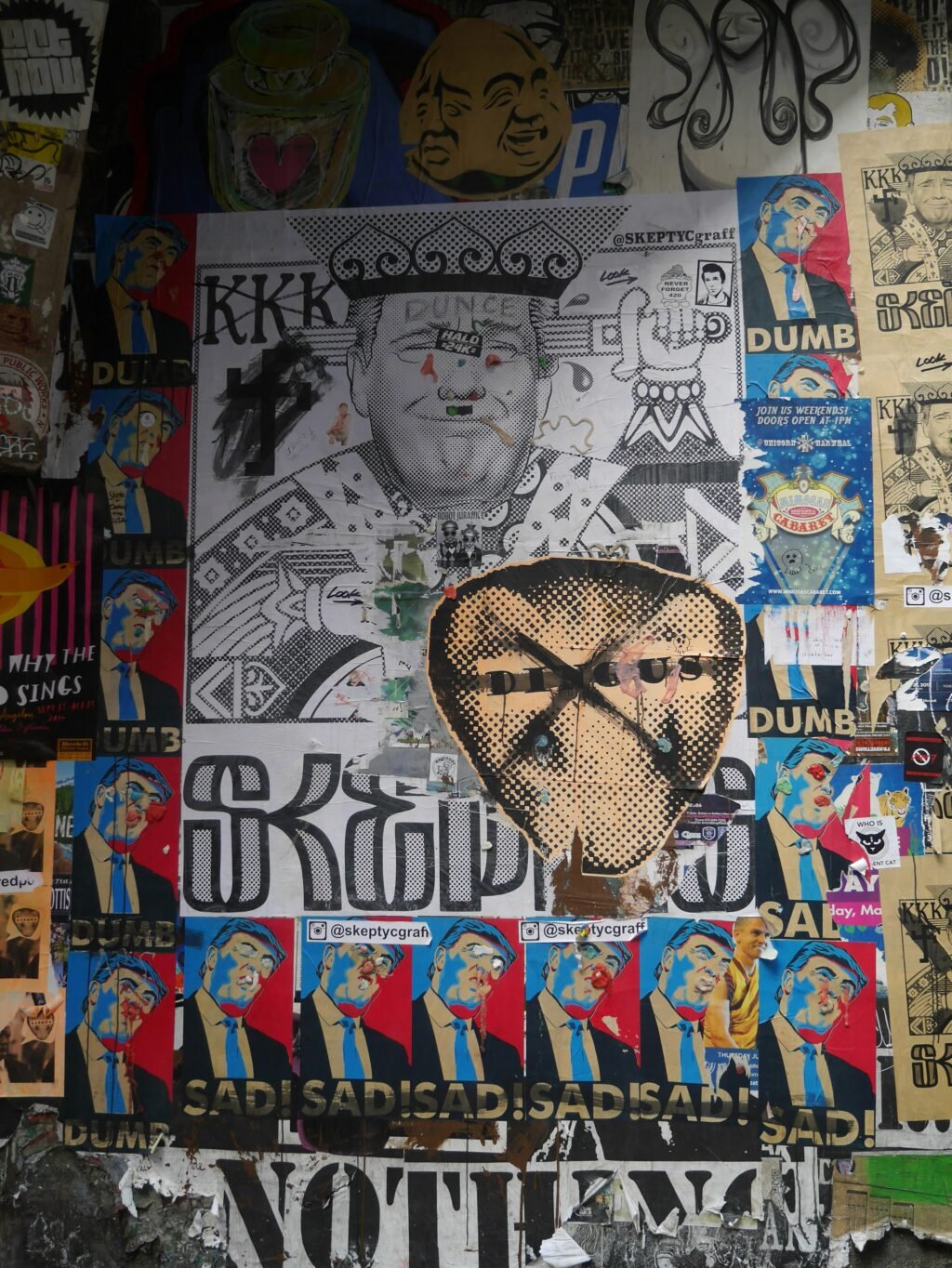
Vçç Abstract Memes and Post-Context Communication
Introduction to vçç: Understanding Its Roots
The contemporary phenomenon known as vçç has emerged as a significant force in the landscape of modern digital communication. This unique expression encapsulates a blend of abstract memes and ironic humor, reflecting the cultural zeitgeist of our time. Born from the interactions of diverse online communities, vçç operates within a framework of post-context communication, which challenges traditional means of conveying meaning.
At its core, vçç can be seen as a response to the overwhelming amount of information available in the digital age. In a world where context often becomes obscured, vçç thrives on ambiguity and abstraction. These qualities not only resonate with the nuances of humor but also engage audiences in a way that prompts deeper reflection. As a result, vçç is not merely a product of its environment; it is shaped by it, reflecting the interactions, emotions, and shared experiences of users navigating digital spaces.
Moreover, vçç aligns itself with the evolution of other contemporary cultural expressions, such as meme culture and the ever-shifting landscape of social media. Ironic humor, often found intertwined with vçç, allows individuals to communicate complex feelings and critiques of society with a lighthearted twist. Through this lens, vçç can be understood not only as a means of entertainment but also as a critical commentary on the absurdities and trivialities of modern life.
In summary, vçç represents a fascinating development in digital communication, deeply rooted in abstract meme culture and shaped by the context in which it exists. Its emergence reveals much about the way communities connect and relate through humor and abstraction in an increasingly digital world.
The Birth of Abstract Memes: Historical Context
The phenomenon of abstract memes traces its origins back to the early days of the internet, evolving alongside the digital landscape. The advent of online forums, image-sharing platforms, and social media in the late 1990s and early 2000s laid the groundwork for what would later become known as vçç. Initially, memes were straightforward, often featuring recognizable images paired with simple text. As users began to experiment with visuals and context, the concept of abstract memes emerged.
The early 2000s saw significant technological advancements that influenced meme culture. For example, the proliferation of broadband internet access allowed users to share content more easily and rapidly, fostering a culture of remixing and repurposing. The rise of platforms like 4chan and Reddit played a pivotal role in popularizing meme formats that prioritized humor and accessibility. This period also witnessed the birth of various meme genres that contributed to the abstraction of ideas and communication, setting the stage for the nuances within vçç.
One notable trend was the embrace of surrealism and absurdity in memes. As internet users sought to break free from traditional narratives, platforms like Tumblr facilitated the sharing of abstract and often nonsensical content that resonated with younger audiences. This evolution reflects a significant shift from context-driven content to conceptual art forms that rely heavily on visual cues and cultural references.
By the mid-2010s, the rise of social media giants further propelled the concept of vçç into the mainstream. Influencers and content creators began crafting abstract memes that transcended language, allowing for a form of communication that is both universal and subjective. As abstract memes continued to gain traction, they allowed users to explore identity, humor, and shared cultural experiences, fundamentally reshaping the fabric of online discourse.
Ironic Humor in Digital Culture
Ironic humor has evolved as a cornerstone of digital interactions, particularly within online communities where memes, including vçç, flourish. This type of humor is characterized by its layered meanings and often contrasts straightforward expressions with unexpected twists. The appeal of irony lies in its ability to create a sense of shared understanding among participants, where the subtext is just as significant, if not more so, than the overt message.
In the context of vçç, ironic humor can manifest in various forms, from sardonic commentary to playful exaggerations that highlight the absurdities of contemporary life. Such memes resonate widely, allowing individuals from diverse backgrounds to connect over shared experiences, often making light of serious or mundane subjects. This communal aspect reflects a digital culture that encourages the reinterpretation of traditional discourse through a comedic lens.
The infusion of ironic elements into communication fosters a unique exchange that contrasts directly with more literal forms of expression. Users may deploy irony to navigate complex social landscape, often as a coping mechanism in an era marked by rapid changes and societal pressures. This is particularly evident in how ironic humor can subvert expectations; what appears as a straightforward image or phrase in vçç often possesses a deeper, more resonant narrative that invites scrutiny and engagement from the audience.
Furthermore, this style of humor aligns well with the brevity and immediacy demanded by digital platforms, where instant recognition and relatability are key for engagement. As users increasingly turn to vçç as a medium of expression, ironic humor continues to play a pivotal role in shaping communication styles, providing a nuanced voice amid the cacophony of online discourse. It illustrates not only the complexities of human emotion but also the evolving nature of humor in our interconnected digital age.
Post-Context Communication: What It Means
Post-context communication refers to a form of interaction where the meaning of messages is detached from traditional narrative frameworks and relies more heavily on the contextual subtleties of the digital landscape. In this modern era of heightened digital engagement, users often rely on visual and abstract representations to convey meaning, transforming how content is understood and shared. This phenomenon has grown significantly alongside the rise of digital platforms, where brevity, creativity, and immediacy take precedence over elaborate storytelling.
At the heart of post-context communication is the concept of fluidity in meaning. Where once communication was bound by specific contexts—a time, a place, and an intended audience—today’s digital conversations reveal that clarity is often sacrificed for the sake of engagement. This shift is particularly evident in the rise of abstract memes and symbols, like vçç, which can elicit strong reactions without the need for explicit explanations or detailed backstories.
The implications of this shift are profound. Users navigating the realm of post-context communication find themselves decoding layers of meaning that often bend or obscure conventional interpretations. Each vignette of communication, laced with ambiguity, encourages a more participatory culture, inviting users to co-create meaning through their interpretations. For instance, vçç—a novel form of expression—exemplifies how abstract terms can take on multiple connotations, influenced by the interactions within digital spaces.
As thoughts and ideas circulate in this environment, the detachment from linear narrative allows for a more dynamic exchange of concepts. Moreover, it encourages creativity and innovation, as individuals become adept at constructing meaning out of fragments of information that might otherwise seem nonsensical. This illustrates the ongoing evolution of language in a continually transforming digital context.
The Aesthetic of vçç: An Artistic Perspective
The emergence of vçç as a significant cultural phenomenon lies not only in its conceptual underpinnings but also in its visual and aesthetic characteristics. These elements collectively form a unique communication framework that sets vçç apart from other forms of expression. The aesthetics of vçç are characterized by abstract visuals that encompass a range of styles and motifs, contributing to a rich tapestry of interpretation.
One of the fundamental aspects of vçç is its reliance on abstraction. Unlike traditional forms of communication, where clarity and directness are paramount, vçç often embraces ambiguity and layered meanings. This approach allows for a deeper exploration of ideas, inviting viewers to engage in a more personal interpretation of the content. The interplay of abstract labelling and visuals becomes crucial in this context, as it positions the observer within a realm where perception is subjective and multifaceted.
Furthermore, the distinct visual language of vçç merges color, form, and texture in innovative ways, encouraging a dialogue that transcends verbal communication. This artistic perspective elevates vçç beyond mere memes; it transforms each instance into an intricate work of art that invites contemplation. Creators harness design principles to evoke emotions and provoke thought, reinforcing the role of aesthetics in shaping the viewer’s experience.
Ultimately, the aesthetic dimension of vçç fosters an environment where abstract concepts thrive. The convergence of visual elements and communicative intent creates a platform for self-expression, experimentation, and engagement. This dynamic interplay highlights the capacity of vçç to adapt and evolve, reflecting the complexities of contemporary culture and the ways in which art influences understanding in a post-context world.
Community and Connection: The vçç Effect
The emergence of vçç as a prominent form of abstract meme culture has significantly contributed to the establishment of digital communities. Users engage with vçç, not only as creators but also as consumers who interpret and share these unique expressions. This shared engagement fosters a sense of belonging, as individuals come together to explore and contribute to a collective pool of content. The essence of vçç lies in its ability to create shared meanings that resonate among community members, linking diverse individuals through a common understanding and appreciation of the art form.
The role of group identity is particularly pronounced within the vçç community. Participants often align themselves with specific styles or themes prevalent in the vçç creations, which can serve as identifiers that enhance group cohesion. This alignment does not only mark an affinity with the art itself but also signifies acceptance into a larger social circle that shares similar interests. Consequently, members of the vçç community cultivate a digital identity that reflects their participation and connection to these abstract memes.
Moreover, the interactive nature of vçç contributes to building connections between users. The process of creating and sharing vçç typically involves commentary, remixing, and collaboration, all of which enhance the communal spirit. By engaging with one another’s work—whether through likes, shares, or constructive feedback—users deepen their connections, generating a warm environment conducive to further creativity. This continual cycle of engagement not only reinforces friendships but also helps individuals navigate the complexities of digital interaction in a space defined by its ephemeral and often abstract nature.
The Critique of Tradition: vçç’s Response to Mass Media
The emergence of vçç represents a significant cultural shift that increasingly challenges traditional mass media. By leveraging abstract memes and unconventional forms of expression, vçç critiques the practices and narratives typically propagated by mainstream communication channels. This form of dialogue allows individuals to engage with content in a novel manner, which is often absent in conventional media landscapes.
At the core of vçç lies a deep-seated skepticism towards established narratives often perpetuated by mass media. In many ways, vçç serves as a counter-narrative, providing alternative perspectives that are frequently marginalized or ignored in traditional media outlets. This shift not only democratizes content creation but also encourages critical thinking among audiences. Users are able to interpret and repurpose messages, carving out their interpretations, which runs contrary to the passive consumption fostered by conventional media.
Furthermore, the societal impacts of vçç are profound. As users engage with and disseminate this content, they challenge the established gatekeepers of information. This disruption alters the dynamics of communication, promoting a more participatory culture where everyone can contribute to the discourse. The versatility of vçç, which includes humor, irony, and absurdity, reflects the complexities of modern life and resonates with those who feel disenfranchised by traditional forms of media.
In essence, vçç embodies a critical response to mass media’s often unidirectional flow of information. By questioning the validity and authority of mainstream narratives, vçç not only encourages a deeper understanding of societal issues but also fosters a space for marginalized voices within the broader discourse. This vçç phenomenon will likely continue to evolve, presenting an ongoing challenge to traditional media narratives as it shapes communication in contemporary society.
Future Trends: The Evolution of Digital Communication through vçç
The landscape of digital communication is constantly evolving, shaped by cultural expressions such as vçç, which illustrate a compelling shift towards abstract memes and post-context communication. As technology advances and societal norms transform, we can anticipate that the future of vçç will reflect these changes, potentially altering how individuals and communities interact online.
One significant trend is the increasing integration of artificial intelligence in content creation. With the rise of sophisticated algorithms, users may find themselves generating and sharing vçç with unprecedented ease. AI-generated memes could maintain the surreal and abstract qualities that characterize vçç, possibly making digital communication even more playful and experimental. This would allow for a wider range of contributors and expressions, fostering a rich tapestry of cultural contributions across digital spaces.
Moreover, as virtual reality and augmented reality technologies progress, we may witness a shift in how vçç is produced and consumed. These immersive platforms might enable users to engage with abstract concepts in a more tangible way, enhancing emotional resonance and fostering deeper discussions. Imagine a scenario where vçç transcends traditional two-dimensional formats, becoming interactive experiences that invite users to explore meaning in real-time.
Social networks and digital communities will likely continue to play a pivotal role in shaping vçç’s trajectory. As users increasingly seek solace and connection in shared absurdities, we may observe the emergence of dedicated spaces for these conversations. Platforms could adapt to nurture these kinds of expressions, fostering environments where vçç thrives and resonates with broader audiences.
In essence, the future of vçç and similar cultural phenomena hinges on our collective adaptability to technological advancements and shifts in cultural consciousness. By embracing these changes, we may cultivate a richer dialogue in digital realms, further establishing vçç as a pivotal form of communication in the ever-evolving landscape of the internet.
Conclusion: The Significance of vçç in Contemporary Culture
As we conclude our exploration into the realm of vçç and its myriad influences on contemporary society, it becomes increasingly clear that this particular form of abstract meme is not merely a passing trend but rather a significant cultural phenomenon. The rise of vçç indicates a shift in how individuals communicate in an ultra-digitalized landscape, where traditional context often gives way to a more distilled, nuanced form of expression. This alteration in communication paradigms speaks volumes about societal evolution in our globalized world.
Vçç serves as a conduit for humor, creativity, and social commentary, often transcending language barriers. By embracing absurdity and non-sequitur elements, vçç allows for a playful interrogation of societal norms and shared experiences, making it a powerful tool for artists and creators alike. Moreover, as we scrutinize abstract memes through the lens of vçç, it becomes evident that they encapsulate the essence of contemporary artistic expression, enabling emerging artists to convey complex ideas through unsettling yet engaging visuals.
The significance of vçç extends beyond mere entertainment; it acts as a barometer for cultural shifts, adapting to and reflecting the societal sentiments of our time. As we navigate through an era characterized by rapid technological advancements and evolving communication styles, vçç invites us to rethink the conventions of social discourse and artistic narratives. The role that vçç will play in shaping future conversations is undeniable, as it continues to evolve with the changing dynamics of digital interaction.
In conclusion, the emergence of vçç not only highlights a distinctive facet of modern culture but also invites ongoing exploration and dialogue. As we move forward, the influence of vçç on communication, humor, and art will likely remain profound, proving that even in a world fueled by abstraction, human connection and creativity endure.