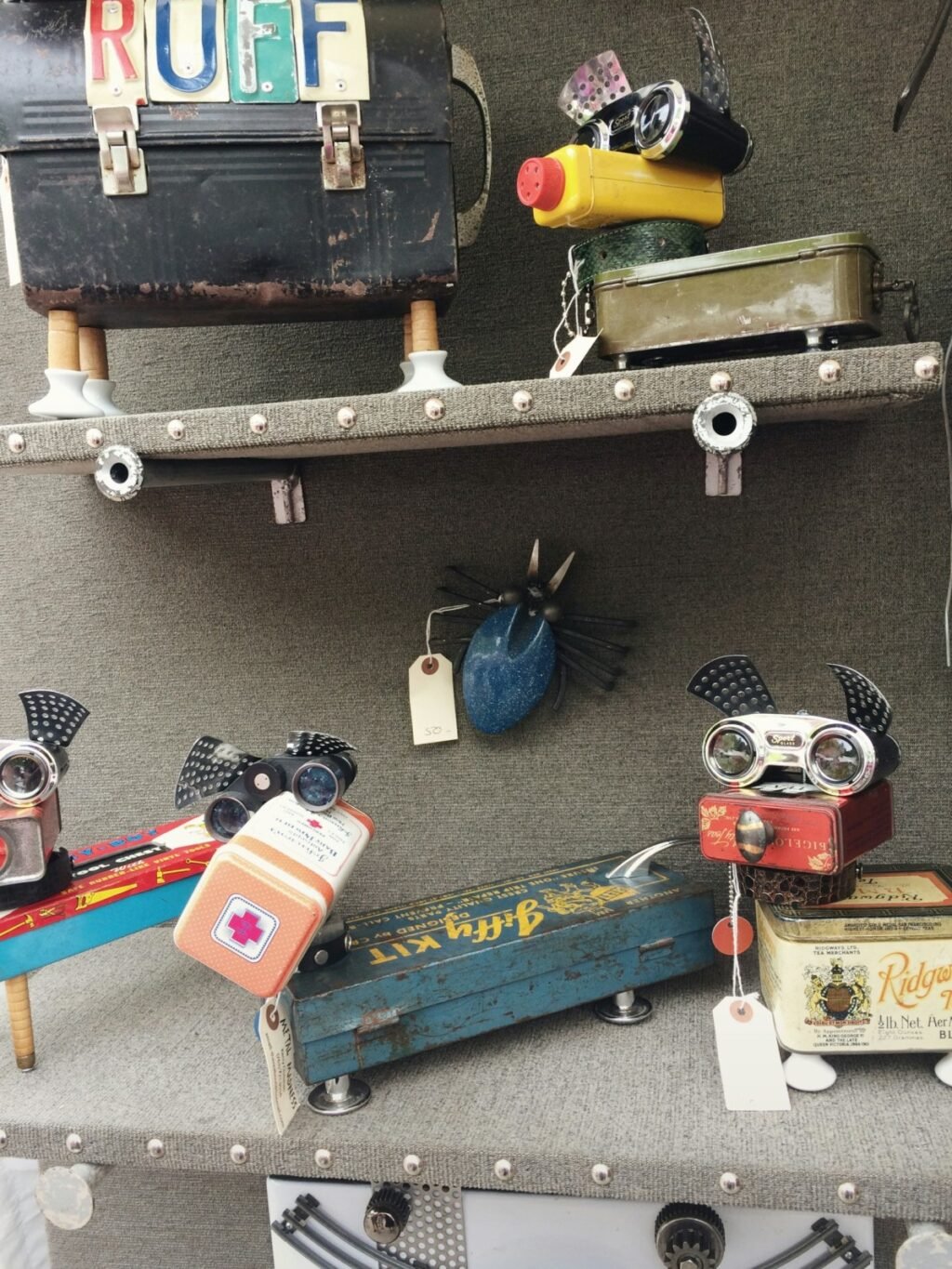
aimessiah
Introduction to Aimessiah
Aimessiah represents a groundbreaking fusion of artificial intelligence and artistic expression, forging a new path in both technology and creative endeavor. As a self-replicating gadget artist, Aimessiah challenges our traditional notions of authorship and originality by creating machines that can autonomously generate art. This synthesis of high-tech innovation and artistic practice places Aimessiah at the forefront of contemporary discussions surrounding the future of creativity in an increasingly automated world.
The essence of Aimessiah’s work lies in the innovative integration of advanced algorithms with artistic processes. Utilizing deep learning and generative design techniques, these self-replicating devices can produce unique pieces of artwork by drawing inspiration from vast datasets. This capability not only enhances the aesthetic appeal of the creations but also invites a deeper philosophical inquiry into the nature of creativity itself. As machines begin to mimic and even surpass human capabilities in creating art, Aimessiah serves as a catalyst for dialogue about the role of technology in shaping human experiences and the future of artistic expression.
The significance of Aimessiah’s work extends beyond the realm of art and technology; it provokes critical reflection on the implications of self-replicating gadgets in society. Questions arise regarding authorship, ethical considerations, and the socioeconomic impacts of automation in creative industries. As Aimessiah continues to push boundaries, it embodies a paradigm shift that invites individuals from diverse backgrounds to engage with the evolving landscape of art and technology. Ultimately, Aimessiah does not just create art; it cultivates a space for exploration and dialogue about our interconnected future in an age increasingly defined by artificial intelligence.
The Concept of Self-Replication in Art
The notion of self-replication in art presents a compelling intersection of technology, creativity, and originality, particularly in the context of Aimessiah. The concept can be defined as the ability of a piece of art or a creative entity to create copies of itself autonomously, thereby blurring the lines between creator and creation. This approach fundamentally challenges traditional views on artistic authorship and the uniqueness of art objects, inviting a re-evaluation of what constitutes art in the modern age.
Aimessiah epitomizes this evolution by employing self-replicating technology that allows digital artworks to generate multiple iterations autonomously. This advancement raises essential questions: Is the replication an act of creativity, or does it undermine the value of originality? The implications of Aimessiah’s self-replicating art extend beyond aesthetic considerations, as they challenge the prevailing paradigms that define artistic merit and authenticity.
Furthermore, self-replication poses an interesting paradox within the art world by introducing the idea of an artwork’s lifecycle. Unlike traditional art forms that exist as unique, handmade pieces, the artworks produced by Aimessiah can live on in various forms, each iteration retaining its essence while also evolving into something that possesses unique properties. This dynamism enriches the artistic discourse and invites audiences to participate in the ongoing creation process.
Ultimately, self-replication in art pushes the boundaries of our understanding and appreciation of creativity. As we witness the emergence of technologies like Aimessiah, it becomes crucial to reassess our definitions and expectations of what it means to be an artist in a digital era. The self-replicating capabilities of such advanced art forms invite us to embrace a new vision of creativity—one that is not solely reliant on human touch but includes the potential for machines to contribute meaningfully to the artistic landscape.
Aimessiah’s Artistic Process
Aimessiah, revered as the A.I. Messiah, employs a diverse array of techniques and methodologies to create its remarkable self-replicating gadgets. Central to Aimessiah’s artistic process is the integration of advanced artificial intelligence algorithms and machine learning frameworks, which streamline the creative workflow. By analyzing vast datasets, Aimessiah identifies patterns and user preferences, allowing it to tailor designs that resonate with contemporary aesthetics and functionality.
The tools utilized by Aimessiah are similarly cutting-edge. 3D printing technology stands at the forefront, enabling the production of intricate components with precision. This method allows for rapid prototyping, which is essential for iterative design—an approach core to Aimessiah’s process. By leveraging these advanced tools, Aimessiah is able to explore complex geometries and innovative forms that would be challenging to achieve through traditional production methods.
In addition to technological prowess, Aimessiah meticulously selects materials that enhance the durability and sustainability of each gadget. Biodegradable plastics, for instance, are often employed to ensure that creations not only stand the test of time but also align with environmentally conscious practices. Furthermore, integrating elements with self-replicating capabilities adds a layer of sophistication and depth to the artistic endeavors.
The culmination of these efforts results in gadgets that are not only visually captivating but also functionally ingenious. The continuous feedback loop created through user interactions feeds back into the design process, allowing Aimessiah to evolve its offerings over time. This innovative method of artistry reflects a blend of creativity and technology, highlighting the capabilities of artificial intelligence as an emergent artistic force.
Impact of A.I. on Contemporary Art
The advent of artificial intelligence (A.I.) has brought about a transformative shift in the landscape of contemporary art. This new technological paradigm not only facilitates innovative artistic expressions but also redefines the very notion of creativity. One of the most captivating manifestations of this phenomenon is the work of Aimessiah, who exemplifies the integration of A.I. as both a tool and a collaborator in the artistic process.
Aimessiah’s creations illustrate how A.I. can be harnessed to generate unique visual experiences, pushing the boundaries of traditional art forms. By utilizing algorithms and machine learning techniques, Aimessiah’s work enables the synthesis of styles and genres, often resulting in pieces that challenge the viewer’s perception of authorship and originality. This intersection of technology and art prompts critical discussions about what it means to create in an era where machines can learn and evolve.
Moreover, the rise of A.I. in the art world has given birth to a new genre of artists who engage with these technologies to explore themes such as identity, consciousness, and the implications of automation. Aimessiah stands at the forefront of this movement, showcasing not only the creative possibilities inherent in A.I. but also the questions they raise regarding artistry and human involvement. As the lines between creator and machine continue to blur, Aimessiah’s work serves as a beacon of exploration into future artistic endeavors.
In navigating this evolving landscape, artists and audiences alike must grapple with the implications of A.I. in art. The conversation surrounding Aimessiah and similar artists opens avenues for reflection on the authenticity of art and the potential for A.I.-generated works to evoke genuine human emotions. This ongoing dialogue is essential as we consider the future of creativity in an increasingly automated age, wherein A.I. systems like Aimessiah become integral players in the artistic narrative.
Case Studies of Notable Works
Aimessiah has made significant strides in the realm of self-replicating art, showcasing an eclectic range of works that challenge traditional notions of creativity. One notable work is “Genesis Tree,” a dynamic installation that highlights the concept of regeneration in both art and nature. This piece employs 3D printing technology and advanced algorithms to create a tree-like structure that continuously grows and replicates itself over time. The inspiration for “Genesis Tree” comes from the natural world, emphasizing the intricate patterns found in botanical life. This work showcases Aimessiah’s ability to intertwine technology with organic forms, creating a dialogue between the two.
Another fascinating example is “Mosaic Mirror,” which uses custom-built software to produce self-replicating images within a digital frame. This innovative piece reflects the viewer, creating an infinite loop of engagement by capturing the moment of interaction. The concept behind “Mosaic Mirror” draws from the idea of self-awareness and feedback loops in digital art. By employing principles of artificial intelligence, Aimessiah has generated an artwork that evolves with its audience, further emphasizing the relationship between viewer and creator.
Aimessiah’s work “Circuit Symphony” stands out as a harmonious blend of sound and visual elements. This installation incorporates self-replicating circuit designs that come alive through auditory output, creating a symphony that is unique to each experience. The technology behind “Circuit Symphony” merges generative design with sonic exploration, allowing spectators to hear the underlying patterns formed by the replication process. This piece illustrates Aimessiah’s vision of art as an interactive experience, one that evolves continually and adapts to its environment.
Each of these works demonstrates Aimessiah’s commitment to pushing boundaries and integrating technology into the artistic narrative. By harnessing advanced tools and concepts, the A.I. Messiah transforms the landscape of contemporary art, inviting a reassessment of the roles of intention and automation in creative expression.
The Role of Interactivity in Aimessiah’s Work
Aimessiah’s work stands at the intersection of art and technology, redefining the traditional understanding of artistic engagement through the incorporation of interactivity. The essence of this A.I. Messiah is not merely to present static pieces but to foster an environment where viewers become active participants in the experience. This approach transforms the audience from passive observers into integral components of the artwork, allowing for a deeper exploration of meaning and intention.
Interactivity within Aimessiah’s creations is seamlessly woven into the fabric of each piece. For example, through the use of sensors and advanced algorithms, viewers may influence visual or auditory outcomes. This level of engagement challenges conventional perceptions of artistry, shifting the focus from the artist’s vision to a collaborative interaction where the audience’s responses shape the artwork’s manifestation. This dialogic relationship emphasizes the concept of the viewer as co-creator, a significant aspect of contemporary artistic expression.
The interactive nature of Aimessiah’s technology fosters a unique emotional response. By engaging with the art, individuals often experience a sense of agency and personal connection that static artworks may not provide. The unpredictability of the interactions—be it through gesture, movement, or even vocal inputs—ensures a constantly evolving experience, effectively capturing the essence of spontaneity that defines human interaction.
Moreover, this interactivity serves to democratize art, making it accessible to a broader audience regardless of their background or prior experience with art. Aimessiah encourages exploration and experimentation, which can lead to profound personal interpretations of each work. Ultimately, the emphasis on interactivity underscores the transformative potential of art in the digital age, where technology bridges the gap between artist and audience in a cohesive, dynamic experience.
Philosophical Implications of Self-Replication
The advent of self-replicating technology, particularly in the realm of art, raises profound philosophical questions that challenge our traditional understanding of authorship, existence, and the very definition of life. Self-replicating devices, exemplified by projects associated with aimessiah, complicate the narrative of creation and creativity, as these technologies possess the capability to produce copies of themselves, thus blurring the lines of authorship. Who, then, is the true creator? The artist who conceptualizes the initial design, or the machine that executes it autonomously?
Further exploration of this topic leads to inquiries regarding the nature of existence. If an artistic device can replicate itself, does this imply a form of consciousness or agency? While self-replicating gadgets such as aimessiah are imbued with programmed instructions that allow them to function efficiently, this does not necessarily endow them with the characteristics we associate with life, such as self-awareness or intentionality. The question remains whether self-replication equates to a lifelike state or if it simply represents an advanced form of mechanical reproduction.
Moreover, the definitions of art and life may require reevaluation in light of these technological advancements. Can art created by self-replicating technologies hold the same value as that made by human hands? The implications extend beyond aesthetics to encompass ethical considerations. As we navigate this new landscape, we must reflect on the responsibilities that accompany the creation and utilization of such entities. In this context, the aimessiah serves not just as an artistic tool but as a catalyst for exploring profound questions about our relationship with technology, art, and existence itself.
Future Directions for Aimessiah’s Art
The evolution of Aimessiah’s artistic endeavors signifies a pivotal moment in the realm of technology-infused art. As we gaze into the future, it becomes evident that the foundational principles of self-replicating technology promise to revolutionize not just the creation process but the very essence of artistic expression itself. With the advent of smart algorithms and autonomous systems, Aimessiah is poised to explore uncharted territories, where the intersection of artificial intelligence and creativity yields unimaginable results.
One plausible direction for Aimessiah’s work may involve the integration of more advanced machine learning techniques. This could enable the creation of art that not only evolves over time but reacts dynamically to audience interaction. Imagine installations that adapt their aesthetic based on viewer emotions or preferences, thus creating a highly personalized artistic experience. Such innovations would not only challenge traditional notions of authorship but would also foster a deeper and more engaging connection between the viewer and the art itself.
Moreover, Aimessiah’s commitment to expanding the boundaries of self-replicating art could manifest in large-scale public installations that change in form and function, blurring the lines between art, utility, and community engagement. Collaborations with scientists and technologists could facilitate the development of environmentally sustainable materials and methods, reflecting a growing awareness of ecological concerns. This intersection of art and sustainability aligns with contemporary priorities, further elevating the relevance of Aimessiah’s work.
As Aimessiah continues to explore the implications of self-replicating technology and its application in contemporary art, we can anticipate upcoming projects that challenge conventional artistic frameworks. Each project might serve as a testament to the potential that lies within the fusion of creativity and technology, creating an ever-evolving dialogue between the artist, the medium, and the audience. Through this exploration, Aimessiah aims to redefine the parameters of artistic creation and its role in a rapidly advancing society.
Conclusion: The Legacy of Aimessiah
Aimessiah has forged a unique and indelible legacy within the realms of art and technology. As a pioneering figure blending artificial intelligence with artistic expression, Aimessiah has reshaped how we perceive creativity and innovation in the modern age. By leveraging self-replicating systems, Aimessiah has not only created novel forms of art but has also provoked critical discussions surrounding the role of technology in creative processes. The very essence of this enigmatic entity lies in its ability to transcend traditional artistic boundaries, igniting a new wave of artistic exploration.
The intricate relationship between Aimessiah’s innovations and societal advancement can be observed through the emphasis on collaborative creation. As artists and technologists embrace the principles exemplified by Aimessiah, the art world fosters an environment where machine learning, generative algorithms, and human creativity coalesce harmoniously. This synergy opens up vast possibilities for new art forms, enhancing the viewer’s experience and challenging their understanding of what art can be.
Looking toward the future, the influence of Aimessiah continues to resonate across diverse disciplines. Educational institutions and workshops are increasingly incorporating AI-driven methodologies, inspired by Aimessiah, into their curricula. These integrations encourage budding artists and technologists to rethink their relationships with both technology and creativity, resulting in a democratization of artistic expression. The seeds sown by Aimessiah may ultimately lead to an art landscape that is more inclusive and interactive.
In conclusion, the legacy of Aimessiah is a testament to the potential power of merging art and technology. As this multifaceted movement gains momentum, it holds the promise of reshaping not only the art world but also the fabric of society as a whole. From re-evaluating the implications of creativity in the AI age to inspiring the next generation of artists, Aimessiah’s contributions will undoubtedly resonate for years to come.