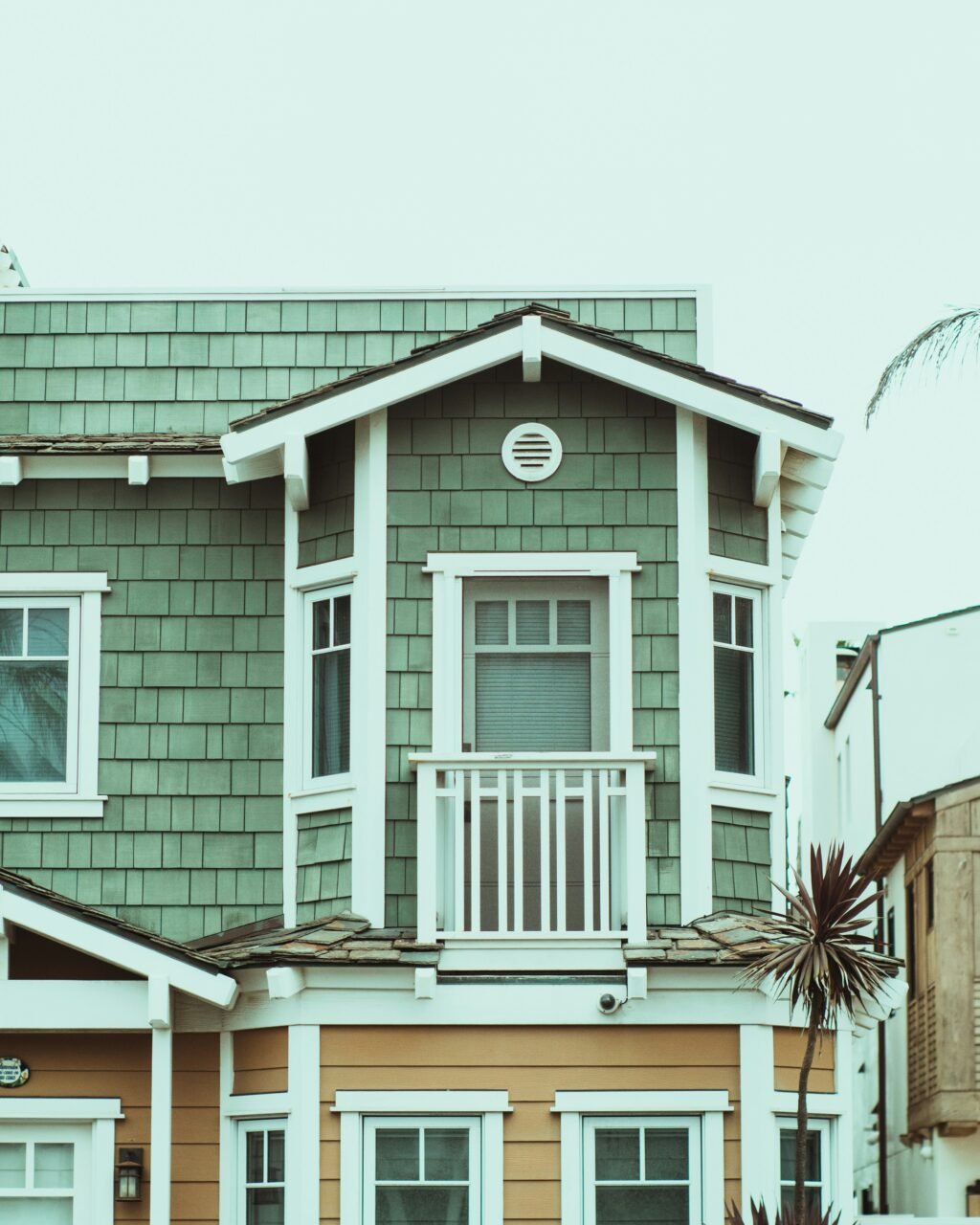
How tall is 2 storey house?
Introduction to Two Storey Houses
Two storey houses, commonly referred to as two-level homes, have gained immense popularity in both urban and suburban settings. These residences typically feature an upper and lower floor, providing homeowners with the opportunity to enjoy a spacious living environment while maximizing land use. The height of such homes generally falls within the range of 18 to 25 feet, although this can vary based on architectural design and local building regulations. Understanding how tall a two storey house can be involves considering several factors including the style of the home, the building materials used, and the overall layout.
The design of a two storey house offers distinct advantages over single-storey constructions. One notable benefit is the efficient use of land, making them particularly suitable in places with limited space. With two levels, homeowners can separate living areas, such as the kitchen and dining room on one floor while placing bedrooms on the upper level. This layout enhances privacy and facilitates a more effective use of space. Furthermore, two storey houses provide an aesthetic appeal with the ability to incorporate various architectural styles, from contemporary to traditional.
When planning a two storey home, several design considerations come into play. Homeowners often evaluate their desired square footage, the number of bedrooms and bathrooms, and the overall flow of the house. Additionally, the integration of features such as balconies, staircases, and ample windows plays a crucial role in determining the overall height and visual impact of the structure. Ultimately, whether contemplating how tall a two storey house is, or the specific elements involved in its design, these houses remain a favored choice for many aspiring homeowners.
Standard Height of a Two Storey House
The height of a two storey house generally varies based on several factors, including the design choices of the architect, local building codes, and the specific purpose of the structure. On average, the standard height of a two storey house can range from approximately 20 to 30 feet. This measurement typically includes both the height of each floor and the roof structure.
For most residential properties, the standard floor-to-ceiling height is usually around 8 to 9 feet. Therefore, for a two storey house, simply multiplying the floor height by two will provide a base estimate. However, one must also consider the additional height added by roofing styles, which can significantly impact the total measurement of the house. Gabled roofs, for instance, may add extra elevation, affecting how tall a two storey house ultimately appears.
Regional building codes can also play a critical role in determining how tall a two storey house may be. Different areas may have specific regulations regarding maximum allowable heights, especially in urban zones where taller buildings might obstruct views or sunlight for surrounding structures. Furthermore, factors such as the terrain—whether it is in a flat area or on a hillside—can influence the visual height perception of a house.
In summary, while the average height of a two storey house tends to fall within the 20 to 30 feet range, various elements such as floor heights, roof designs, and local regulations can result in significant variations. Therefore, when inquiring about how tall a two storey house is, it is essential to consider these contributing factors for a comprehensive understanding.
Factors Affecting the Height of a Two Storey House
The height of a two-storey house can vary significantly depending on several key factors that developers and architects must consider. One primary determinant is local building regulations which vary from one municipality to another. Many regions impose strict zoning laws that dictate maximum building heights, and these regulations often consider neighborhood aesthetics as well as safety standards. These local guidelines ensure that structures are proportionate to their environment and meet fire safety regulations, impacting the overall height of the building.
Another essential aspect influencing the height of a two storey house is the potential for basements or attics. Homes with full basements may have shorter upper levels than those without, as developers often capitalize on the extra space below to maximize livable area. On the other hand, houses that incorporate attics may feature higher ceilings on the upper level to allow for adequate headroom, thus increasing the house’s overall height.
Architectural style also plays a significant role in determining how tall a two storey house can be. Certain styles favor high ceilings and elaborate roof designs, such as Victorian or Colonial homes, which can elevate the average height. Conversely, minimalist or modern designs often emphasize fewer architectural frills and potentially lower heights. Additionally, the intended use of the structure can influence its dimensions, with houses designed for larger families often requiring more height for functionalities such as additional bedrooms or living spaces. Each of these factors contributes uniquely to the overall question: how tall is a 2 storey house, and what variations might exist in diverse contexts.
Design Considerations for Two Storey Houses
When contemplating the architectural design of a two storey house, various elements must be meticulously balanced. One primary consideration is the overall height of the structure. Understanding how tall is a 2 storey house is paramount, as typically, they measure between 18 to 25 feet, depending on the type of roof and ceiling height selected. This dimension not only affects aesthetics but also influences structural integrity and harmony with the surrounding environment.
Aesthetic appeal is crucial in designing a two storey dwelling. The elevation must complement the style and vibe of the surrounding landscape while ensuring that the overall design exudes elegance and functionality. Architectural features such as balconies, overhangs, and staircases contribute significantly to the visual appeal of a two storey house. Thoughtful placement of windows can create a sense of openness and contribute to a lighter, more spacious feel within the home. Natural light plays a vital role and is often maximized in homes of this height through strategic placement of large windows and skylights.
In addition to aesthetics, the structural integrity of a two storey house must be a priority. This includes ensuring that the foundation is strong enough to support the additional weight and that building materials are chosen for durability and strength. Architects and builders often utilize materials like steel reinforcement for frames and high-quality concrete, especially when considering how tall is 2 storey house. Furthermore, adequate attention must be given to local building codes and regulations that govern height restrictions and safety measures.
Creating efficient use of space is another critical factor. Interior layouts can be designed to maximize usability, ensuring that each floor serves a distinct purpose while maintaining continuity throughout the living space. Stairs, hallways, and open-concept areas can enhance the flow within the house, providing an inviting atmosphere.
Common Heights and Measurements in Construction
Understanding the dimensions involved in home construction is essential for anyone contemplating a two-storey house. Generally, the average height of a two-storey house typically ranges from 20 to 30 feet. This varies depending on numerous factors, including the local building codes and architectural design. A crucial aspect of height determination is the floor-to-ceiling measurement, which usually stands at about 8 to 9 feet per floor. Consequently, for a two-storey design, this accounts for approximately 16 to 18 feet without considering the structure’s roof.
The roof pitch also significantly influences the overall height of the house. Most conventional two-storey houses feature a roof pitch ranging from 4:12 to 8:12, signifying the rise of the roof against the horizontal distance. This pitch not only impacts aesthetics but also affects the total height. In general, a steeper pitch can increase the overall vertical height of the home, making the house appear taller.
Moreover, the thickness of the flooring between levels should be factored into height calculations. Standard flooring thickness can vary, typically around 1 to 1.5 inches, depending on the materials used. It also helps to consider the guidelines for staircases, which connect the two levels of a two-storey house. The rise of each step should not exceed 7.5 inches, and the minimum run should be at least 10 inches, ensuring ease of navigation between the storeys.
In summary, calculating the height of a two-storey house involves multiple elements including floor heights, roofing styles, and staircase guidelines. To accurately determine the total height, a thorough assessment of these dimensions is necessary, as they collectively contribute to the final measurement outcomes.
Visual Impact of a Two Storey House
The height of a two storey house significantly affects its visual presence within a neighborhood. The typical height of a two storey house allows for an imposing structure that can enhance the skyline of suburban settings. Generally, these homes range from 18 to 25 feet tall, depending on the design, roof style, and building regulations. The visual impact of such a height can create both positive and negative perceptions among neighbors and passersby.
One of the primary considerations related to the visual impact is the sightlines created by a two storey house. This height can obstruct views for adjacent properties, especially if built on a slope or elevated lot. Homeowners may find privacy compromised or feel overshadowed by the taller structure. However, the height can also provide beneficial views for its inhabitants, such as overlooking greenery or scenic landscapes, which can enhance the overall living experience.
Landscaping plays a crucial role in mitigating the visual weight of a two storey home. Thoughtfully designed gardens, trees, and hedges can effectively soften the structure’s appearance and create a more harmonious relationship with its surroundings. Homeowners often utilize landscaping to ensure that their two storey house does not stand out starkly against single-storey homes, promoting a balanced aesthetic within the neighborhood.
Furthermore, the relationship to surrounding homes also influences the visual impact. A two storey house may fit seamlessly into a community comprised of similar heights, contributing to a cohesive architectural style. Conversely, in areas dominated by single storey houses, the introduction of a taller structure can create a jarring contrast, prompting concerns about neighborhood charm and overall character.
Understanding these aspects of how tall a two storey house is and its implications helps foster a better appreciation of architectural diversity within community planning.
Comparing Two Storey to Other Types of Homes
When considering the architectural landscape, it is critical to understand how tall a 2 storey house is in relation to other types of residential buildings. A two storey structure typically reaches a height ranging from 18 to 25 feet, depending on the ceiling heights and design choices. This height allows for distinct advantages, particularly in urban settings where land is at a premium.
In contrast, single storey houses, which usually stand at about 10 to 12 feet, provide ease of accessibility, particularly for families with young children or elderly members. The absence of stairs eliminates the risk of falls and simplifies daily navigation throughout the home. However, one significant drawback of a single storey house is the limitation on usable floor space, which can be an issue for larger families or those wanting additional rooms.
On the other hand, multi-storey buildings, such as apartment complexes, can extend considerably in height, often reaching two to ten storeys or more, depending on local building regulations. This vertical design effectively utilizes land space and can foster a community-like atmosphere due to proximity. However, such structures often come with drawbacks, including higher maintenance costs and complexities related to elevators and fire safety regulations.
When deciding between these different types of homes, considerations such as lifestyle, budget, and environmental factors play a vital role. A two storey house strikes a balance between the accessibility of a single storey and the space efficiency of multi-storey buildings. It generally offers a good compromise for families, allowing for more living space without the intricacies of vertical living in multi-storey developments.
Regulatory Considerations for Building Height
When contemplating the construction of a two-storey house, it is crucial to understand the regulatory framework that governs building heights. Each region possesses specific building codes and zoning laws aimed at ensuring safety, accessibility, and aesthetic harmony within communities. These regulations typically stipulate the maximum height permissible for residential structures, which can vary widely based on local requirements.
In many jurisdictions, the height of a residential house, including a two-storey design, is influenced by factors such as the type of zoning—whether it is residential, commercial, or mixed-use. For instance, in residential areas, building codes may dictate that the maximum building height cannot exceed a certain number of feet, which is often grounded in considerations concerning privacy, shadow impact, and neighborhood character.
Furthermore, local zoning laws may include height restrictions related to specific environmental conditions or historical preservation efforts, particularly in areas with established architectural guidelines. These constraints often lead homeowners and builders to seek clarity on how tall is a 2 storey house within the limits defined by local regulations. Typically, a two-storey house falls within a height range of 24 to 30 feet, accounting for additional features such as pitched roofs or architectural elements while satisfying the building codes.
Compliance with these regulations not only prevents potential legal disputes but also shapes the built environment to align with community standards. Therefore, prospective builders should consult with local authorities or building inspectors to understand the specific codes that apply to their project before initiating construction. By doing so, they can ensure that their two-storey house meets all necessary regulatory requirements, fostering a harmonious integration within the local landscape.
Conclusion: The Importance of Understanding Two Storey Heights
Understanding the height of a two storey house is pivotal for a variety of reasons, particularly in the realms of construction, architectural design, and personal preferences. A two storey house typically measures between 18 to 25 feet, not including additional features such as attics or roof spaces. Knowing the expected height can significantly influence the overall planning and feasibility of a project.
From a construction perspective, having a clear grasp of the average height of a two storey house assists builders and architects in ensuring compliance with local building codes and regulations. Height restrictions can vary significantly based on location, necessitating a precise understanding of what constitutes a two storey home in order to avoid potential legal and safety issues. Additionally, it aids in the accurate estimation of cost and material requirements, as different heights may require distinct building practices and support structures.
Moreover, for potential homeowners or investors, knowing how tall a two storey house is contributes to making informed decisions regarding property value, aesthetics, and functionality. The height can affect not just the livability of the space, but also the surrounding environment, impacting things such as light access or the building’s harmony within the neighborhood. This understanding fosters personal satisfaction with one’s living conditions, aligning individual tastes and needs with practical implications.
In conclusion, grasping the height parameters of a two storey house is more than a mere technical detail. It plays an integral role in effective planning, informed decision-making, and ensuring harmony in both construction and living space design, promoting a well-rounded approach to housing and real estate investment.