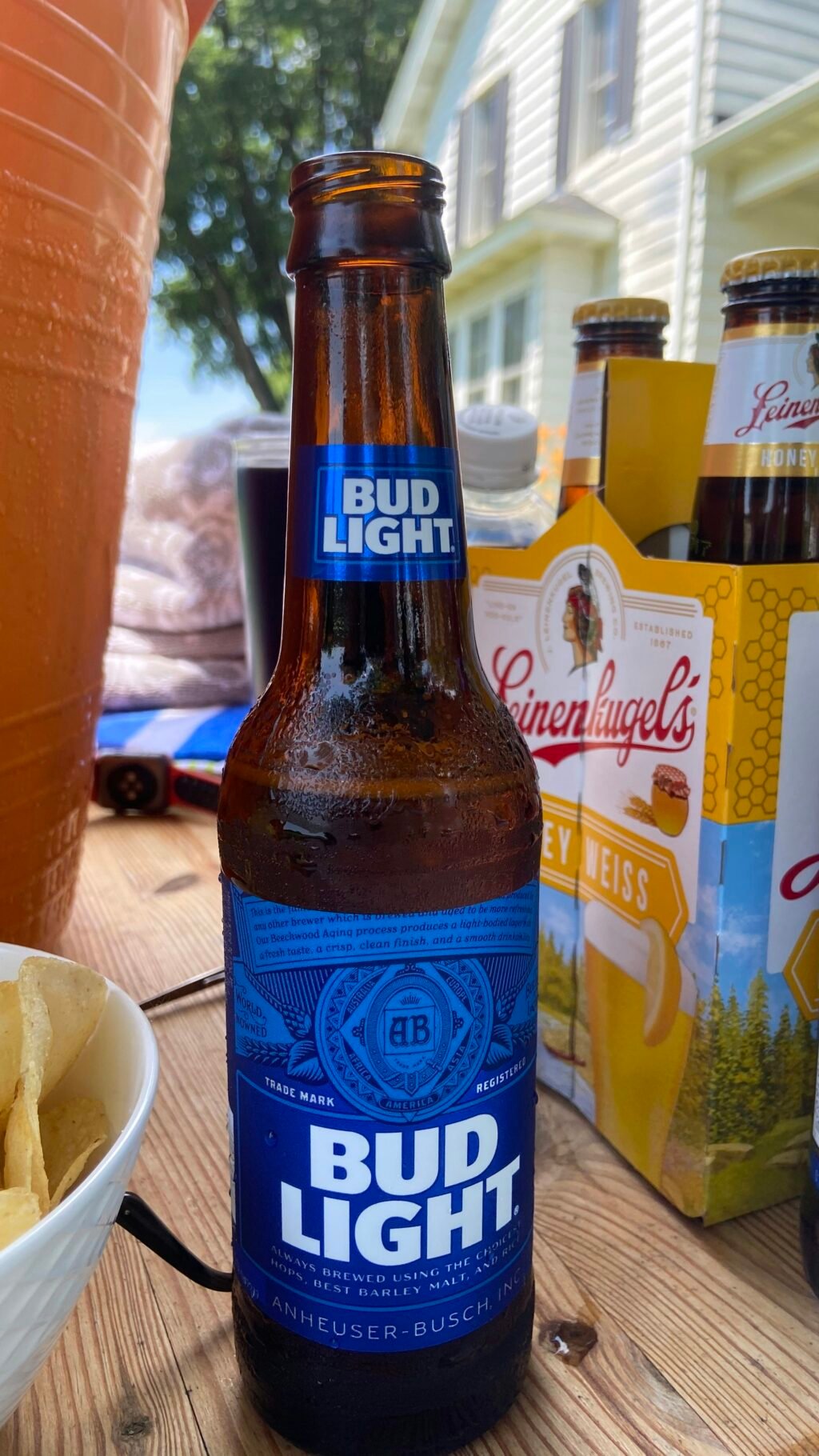
Bud light abv
Introduction to Bud Light
Bud Light is a well-known light lager produced by Anheuser-Busch, a leading American brewery with roots tracing back to 1852. Introduced in 1982, Bud Light has rapidly become one of the most popular beers in the United States, appealing to consumers who prefer a lighter beer option without forgoing flavor. With its crisp and refreshing taste, Bud Light has carved out a significant niche in the competitive beer market.
Understanding the alcohol by volume (ABV) of Bud Light is crucial for beer drinkers. Bud Light has an ABV of 4.2%, which differentiates it from many of its heavier counterparts while still providing a satisfying beer experience. This relatively low alcohol content makes it an attractive choice for social gatherings, backyard barbecues, and casual outings. As consumers become more conscious of their alcohol intake, knowledge of a beverage’s ABV helps in making informed choices regarding consumption.
Another important aspect of Bud Light is its nutritional profile. Each 12-ounce serving contains approximately 110 calories and 6.6 grams of carbohydrates, making it a lower-calorie and lower-carb option compared to regular lagers. This nutritional information is vital for those who are monitoring their dietary intake or searching for a beer that complements a healthier lifestyle.
The popularity of Bud Light can be attributed to its appealing flavor, its moderate ABV, and the nutritional considerations that may influence consumer preferences. In light of these factors, it is essential for beer enthusiasts and casual drinkers alike to gain a deeper understanding of what Bud Light offers in terms of both its alcohol by volume and its nutritional benefits.
What is Alcohol by Volume (ABV)?
Alcohol by Volume (ABV) is a standard measure used worldwide to quantify the amount of alcohol present in beverages. It is expressed as a percentage, indicating the volume of ethanol relative to the total volume of liquid. For example, a beer with an ABV of 5% contains 5% alcohol and 95% other ingredients such as water, hops, and malt.
The significance of ABV in the beer industry cannot be overstated. It serves not only as a point of reference for consumers but also as a regulatory benchmark for producers. Different styles of beer typically exhibit a wide range of ABV values, influencing flavor profiles, body, and even aromas. Knowing the ABV allows consumers to make informed choices regarding their beer consumption, as higher alcohol concentrations can lead to stronger effects and a need for more cautious drinking.
When considering beverages like Bud Light, which has an ABV of around 4.2%, understanding this measure can aid in appreciating its role in the market. With a relatively lower alcohol by volume compared to many craft beers, Bud Light appeals to a demographic seeking a lighter option without compromising on taste. This lower ABV can also influence consumer behavior, as drinks with lighter alcohol content are often consumed over longer periods without overwhelming intoxication.
In summary, Alcohol by Volume is a critical metric that not only defines a beverage’s potency but also shapes consumer experiences and marketing strategies within the beer industry. Familiarity with ABV can enhance one’s appreciation of various beer offerings, including popular choices like Bud Light, providing insight into their alcohol content and potential effects on consumption.
Bud Light’s ABV Explained
Bud Light, a popular light lager beer produced by Anheuser-Busch, has an alcohol by volume (ABV) of 4.2%. This ABV level positions it as a light beer, allowing for a more moderate drinking experience compared to many other alcoholic beverages. The 4.2% ABV is significant when considering similar beers in the light lager category, such as Coors Light and Miller Lite, both of which also possess an ABV of 4.2%. This similarity indicates a consistent standard for light lagers, appealing to consumers who favor a sessionable beer without overwhelming alcohol concentration.
When consuming beverages with a 4.2% ABV, consumers can gauge their alcohol intake more effectively, contributing to responsible drinking habits. By comparison, many regular lagers and ales contain higher ABV percentages, typically ranging from 5% to 7%. This difference allows Bud Light drinkers to enjoy a flavorful beer while minimizing the risk of intoxication. Furthermore, this characteristic makes Bud Light a suitable choice for social settings where individuals may wish to enjoy a drink over an extended period without experiencing excessive alcohol effects.
The perception of ABV can greatly influence consumer choices, as many individuals today are increasingly health-conscious and mindful of their alcohol consumption. Bud Light’s balanced approach with a lower ABV not only appeals to those seeking a lighter option but also supports moderation, making it a solid option for gatherings. Overall, Bud Light’s ABV of 4.2% aligns well with similar offerings from competitors, promoting a culture of responsible drinking while satisfying a wide range of taste preferences.
Nutritional Information of Bud Light
Bud Light is a popular light lager known for its crisp taste and refreshing qualities. In terms of nutritional content, a standard 12-ounce serving of Bud Light provides approximately 110 calories. This makes it a favorable option for those who are mindful of their caloric intake while enjoying a beverage. Additionally, Bud Light contains around 6.6 grams of carbohydrates, making it a relatively low-carb choice compared to many other beers.
Understanding the nutritional content of Bud Light is essential for individuals looking to maintain a balanced diet while indulging in moderate drinking. For instance, the calorie count of 110 per serving fits well within the range of light beers, allowing consumers to enjoy a drink without excessive calorie consumption. When consumed responsibly, the light carbohydrate content may also appeal to those following a low-carbohydrate diet.
Moreover, it is imperative to consider these nutritional figures in the context of overall healthy drinking practices. The appearance of Bud Light on many social occasions often leads to its consumption in significant quantities, which can potentially conflict with healthy dietary goals. Therefore, moderation is key. Drinking Bud Light or any other alcoholic beverage in moderation aligns with general health recommendations, such as limiting alcohol consumption to up to one drink per day for women and two drinks for men.
In conclusion, the nutritional details of Bud Light, including its 110 calories and 6.6 grams of carbohydrates per 12-ounce serving, reflect its status as a light beer option. Responsible consumption, framed by awareness of these nutritional figures, can facilitate a more informed drinking experience while also promoting healthier lifestyle choices.
How Bud Light Compares to Other Light Beers
When evaluating light beers, Bud Light consistently emerges as a major contender, thanks to its balance of flavor, alcohol by volume (ABV), and calorie content. The ABV of Bud Light is approximately 4.2%, which is relatively standard among light beers. This characteristic is crucial for consumers who wish to enjoy a beer with lower alcohol content while not compromising too significantly on taste. In comparison, Coors Light also has an ABV of around 4.2%, while Miller Lite stands slightly higher at 4.2% as well, positioning itself similarly within the light beer segment.
Calories play a significant role in the choice of light beers, especially for those mindful of their dietary intake. Bud Light contains about 110 calories per 12-ounce serving, which is in line with both Coors Light and Miller Lite, each containing around 102 and 96 calories respectively. Although the calorie differences are marginal, they are noteworthy for consumers watching their caloric intake. This relatively low-calorie count makes Bud Light a popular choice for those seeking a refreshing, crisp taste without the heaviness of regular beers.
In terms of overall taste, Bud Light offers a mild flavor profile that appeals to a broad range of palates. Its smoothness and drinkability are complemented by a subtle hint of hops, making it an accessible option for many beer drinkers. Coors Light is known for its slightly crisper taste, whereas Miller Lite seeks to impart a richer flavor, reflecting its more robust malt backbone. Ultimately, the choice among these light behemoths—Bud Light, Coors Light, and Miller Lite—depends largely on personal taste preferences, lifestyle choices, and caloric considerations.
Moderation: The Key to Enjoying Bud Light
Consuming beer, including Bud Light which has an alcohol by volume (ABV) of approximately 4.2%, should always be approached with moderation. The significance of moderation in alcohol consumption is recognized by health organizations worldwide, including the Centers for Disease Control and Prevention (CDC) and the World Health Organization (WHO). Both institutions recommend that, if individuals choose to consume alcoholic beverages, they should do so in a manner that adheres to established guidelines.
The CDC suggests that moderate drinking for adults is defined as up to one drink per day for women and up to two drinks per day for men. This level of consumption is intended to minimize health risks and enhance the enjoyment of beverages such as Bud Light. Exceeding these limits can lead to various short-term and long-term health issues, including liver disease, addiction, and cardiovascular complications.
Furthermore, drinking Bud Light or any other alcoholic beverage excessively can impair judgment, increase the risk of accidents, and even lead to detrimental social consequences. Additionally, it can contribute to negative mental health outcomes such as anxiety and depression. Recognizing the ABV of beers, such as Bud Light, is essential for responsible consumption, ensuring that drinkers remain aware of their overall intake.
Individuals are encouraged to consider their own health status and any medications they might be taking, as these factors can interact negatively with alcohol. Ultimately, enjoying Bud Light responsibly not only enhances the experience but also safeguards one’s health. Regularly evaluating one’s drinking habits and making informed choices about alcohol consumption can lead to better overall well-being and enjoyment.
Consumer Preferences and Trends in Light Beers
The landscape of the beer market has undergone significant transformation in recent years, with light beers such as Bud Light increasingly gaining popularity among a variety of consumer demographics. This trend has demonstrated a shift in preferences, particularly among health-conscious drinkers who seek lower alcohol content and fewer calories. Bud Light, with an alcohol by volume (ABV) of 4.2%, has effectively positioned itself as a reliable choice for this demographic, appealing to individuals looking for a refreshing beverage without excessive alcohol intake.
In terms of demographic trends, younger consumers, especially millennials and Generation Z, are gravitating towards light beers. These groups often prioritize taste and sessionability over traditional perceptions of strong ales, making lower ABV options attractive. As a result, brands are adapting by innovating their product lines and marketing strategies to cater specifically to these younger consumers. For example, many breweries are experimenting with flavors and crafting uniquely flavored light beers that resonate with the evolving tastes of these generations.
Moreover, the demand for light beers has also influenced broader market trends. Not only has Bud Light maintained its stronghold in this segment, but competition has also intensified as various breweries strive to capture the attention of health-oriented consumers. Brands are now more focused on enhancing the flavor profile of light beers, adding ingredients that amplify taste while retaining lower ABV levels. This movement is indicative of an industry-wide recognition that consumer preferences are shifting towards a desire for quality in conjunction with lower alcohol percentages.
In summary, the ongoing evolution of consumer preferences towards light beers like Bud Light underscores the importance of adapting to market trends. Understanding these dynamics allows brands to not only retain existing customers but also attract new ones in a competitive landscape.
The Role of Bud Light in Social Situations
Bud Light has established itself as a quintessential beverage choice in various social settings, serving as a reliable companion for gatherings, celebrations, and casual meet-ups. Its light flavor, moderate alcohol by volume (ABV), and broader appeal make it an appropriate choice for events such as barbecues, parties, and sporting events. The beer’s approachable style ensures that it can be enjoyed by a wide range of consumers, contributing to its popularity.
At social events, the presence of Bud Light often signifies a laid-back atmosphere. Many individuals associate the brand with good times and camaraderie, making it a staple in backyard gatherings or celebratory occasions. The light ABV of Bud Light allows attendees to enjoy several rounds without becoming overwhelmed, embodying the concept of social drinking. This feature proves essential when the intent is to engage in prolonged interaction with friends and family.
Additionally, the branding of Bud Light emphasizes themes of togetherness and fun. Marketing campaigns frequently depict scenarios where people unite over a shared love for this beer, reinforcing its stature as a go-to beverage for social contexts. The drink is often found in coolers nestled alongside barbecue grills, at tailgating events, or in casual dining settings, thereby solidifying its association within the collective social experience.
The overall experience of consuming Bud Light during social functions is enhanced by the beer’s accessibility. It is widely available, allowing consumers to effortlessly select it from local retailers and bars. This convenience further cements Bud Light’s status as a favored choice among social drinkers. In summary, Bud Light plays an integral role in social situations, offering a delightful and approachable beverage that complements the enjoyment of community and connection.
Conclusion: Making Informed Choices with Bud Light
Understanding the alcohol by volume (ABV) of Bud Light, which is typically around 4.2%, is crucial for those who choose to incorporate this popular beer into their social occasions. The ABV is a significant metric as it directly influences the intoxicating effect of the beverage, guiding drinkers in making responsible choices. For many, enjoying Bud Light is about savoring the flavor and experience, but being mindful of the alcohol content is key to enjoying it safely.
Additionally, examining the nutritional profile of Bud Light reveals that it contains approximately 110 calories per 12-ounce serving. This information can help consumers balance their dietary choices while enjoying a beer. Furthermore, knowledge about carbohydrates and other components can assist health-conscious individuals in integrating Bud Light into their lifestyle without compromising their dietary goals.
By understanding the ABV and nutritional content of Bud Light, consumers are empowered to make more informed decisions regarding their beverage choices. Moderation plays a pivotal role in ensuring a pleasant experience while consuming alcoholic beverages. As you enjoy Bud Light, remember to consider the ABV and how it fits into your overall consumption patterns.
In conclusion, awareness of Bud Light’s alcohol content and nutritional aspects is essential for forming a responsible drinking approach. Whether at a gathering or a quiet evening at home, integrating this knowledge will enhance your appreciation for Bud Light and help foster a responsible drinking culture. Choose wisely, enjoy in moderation, and elevate your beer drinking experience.