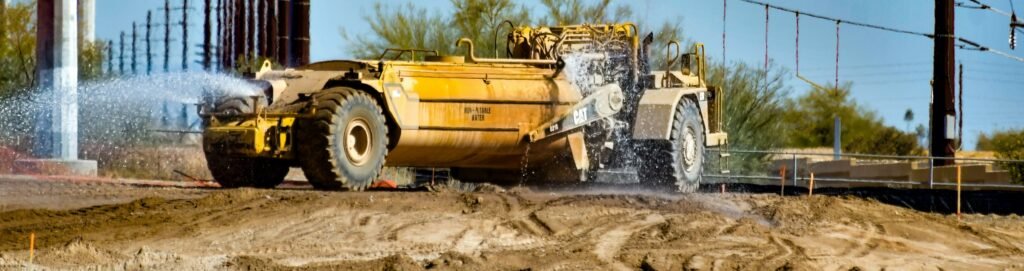
Earth control measure
Introduction to Earth Control Measures
Earth Control Measures (ECM) are essential strategies implemented in construction projects to manage soil erosion and sediment displacement effectively. These measures encompass various techniques and practices designed to protect the environment and maintain the integrity of nearby water bodies. By minimizing the release of soil particles and silt into stormwater, ECM plays a crucial role in maintaining ecological health and water quality.
Construction activities often result in significant land disturbance, making it imperative to implement comprehensive control measures. The inherent vulnerability of exposed soils can lead to increased runoff during rainfall, which in turn carries suspended solids into adjacent streams, rivers, and lakes. Such silt-laden runoff poses a potential threat to aquatic ecosystems, affecting fish habitats and water clarity while contributing to the degradation of natural resources.
It is critical for construction site managers to understand the importance of earth control measures in preemptively addressing erosion challenges. These measures not only help achieve compliance with evolving environmental regulations but also underscore a commitment to sustainable practices. Regulatory frameworks, such as the National Pollutant Discharge Elimination System (NPDES) in the United States, mandate the implementation of ECM as a requisite for project approval. Thus, adherence to these regulations fosters responsible site management and protects against potential fines and legal ramifications.
In summary, the effective implementation of earth control measures is vital to safeguard water quality during construction activities. By ensuring that sediment does not enter the water bodies, project managers can contribute to environmental preservation while adhering to legal obligations. Consequently, the integration of ECM is not only beneficial for the environment but also essential for the responsible conduct of construction operations.
Types of Earth Control Measures
Earth control measures are crucial in construction sites to manage excessive erosion and sediment runoff, which can have detrimental effects on the surrounding environment. Several types of earth control measures have gained popularity for their effectiveness in mitigating these negative impacts. Among these, sediment traps, silt fences, and holding ponds play significant roles in managing silt-laden runoff.
Sediment traps serve as small depressions designed to capture sediment-laden water, allowing sediment to settle before the water is discharged. They are particularly effective in areas with high sediment runoff, acting as temporary storage until the sediment can be removed. Their installation is usually straightforward, and they can be constructed using onsite materials, making them a cost-effective solution.
Silt fences, on the other hand, are barriers made from permeable fabric that intercept sediment while allowing water to flow through. Installed around the perimeter of a construction site, silt fences help prevent sediment from entering nearby water bodies. Their effectiveness depends on proper installation and maintenance, making it essential for construction teams to regularly inspect and repair any damages. This earth control measure is a vital first line of defense against sediment loss.
Holding ponds, also known as sedimentation basins, function by temporarily storing water and providing a larger area for sediment to settle out over time. These ponds are typically designed to handle significant volumes of runoff and are particularly useful in large construction projects where sediment generation is high. While installation can be more complex and costly, the long-term benefits in reducing sediment pollution make holding ponds an invaluable control measure.
In summary, employing a combination of sediment traps, silt fences, and holding ponds represents best practices for managing silt-laden runoff at construction sites. Each of these earth control measures has unique advantages that, when implemented correctly, contribute significantly to environmental protection and compliance with regulatory standards.
The implementation of Earth Control Measures (ECM) on construction sites is not merely a best practice, but a legal requirement governed by a complex framework of federal, state, and local regulations. Understanding these regulations is critical for construction managers and site operators, as non-compliance can lead to severe penalties, including fines and project shutdowns.
At the federal level, the Clean Water Act mandates that construction sites disturbing certain areas must obtain a National Pollutant Discharge Elimination System (NPDES) permit. This permit requires the site to implement proper ECM to mitigate the potential for soil erosion and water pollution. The U.S. Environmental Protection Agency (EPA) outlines these requirements, emphasizing the importance of controlling runoff and protecting water quality.
State regulations often reinforce these federal mandates and can introduce additional local stipulations. Many states have enacted laws requiring detailed environmental impact assessments before construction begins. These assessments dictate specific ECM tailored to local environmental conditions and potential impacts, ensuring that every project adheres to both state and federal guidelines.
Furthermore, local ordinances can provide even more stringent requirements. Cities or counties may have their regulations regarding stormwater management and erosion control, giving them the authority to implement site-specific ECM that surpass state standards. These local requirements reflect the unique environmental features of the area, further emphasizing the necessity of adhering to ECM protocols.
Failing to comply with these regulations can lead to significant consequences, including legal actions, financial penalties, and reputational damage. It is essential for construction professionals to remain updated on the relevant laws and implement comprehensive ECM from the project’s outset. By doing so, they not only ensure compliance but also promote environmental stewardship in their construction practices.
Site Assessment and Planning for ECM Implementation
Conducting an accurate site assessment is a critical first step in the implementation of effective Earth Control Measures (ECM). This process involves thoroughly evaluating the construction site to identify areas at high risk for silt runoff and sediment erosion. By recognizing these risk areas, construction managers can strategically plan the installation of various ECM, ensuring their optimal functionality throughout the project lifecycle.
To begin the site assessment, it is essential to analyze the topography, soil type, existing vegetation, and proximity to water bodies. These factors play a significant role in determining how water flows across the site and where sediment may be displaced. High slopes or loose, sandy soils are particular indicators of potential erosion issues. Alongside these environmental factors, one must also consider the surrounding land uses, such as agricultural or industrial activities that may affect runoff patterns and sedimentation.
Once risk areas are pinpointed, effective planning for ECM placement can take place. Proper positioning of measures such as silt fences, sediment basins, and erosion control blankets is vital. For instance, installing silt fences at strategic downgradient locations can help intercept and filter sediment-laden runoff before it reaches watercourses. Similarly, incorporating sediment basins can capture sediment in larger runoff events, providing a buffer against soil erosion.
The planning phase should involve continuous collaboration among site engineers, environmental consultants, and regulatory bodies to ensure compliance with local guidelines and standards. By actively planning the placement of earth control measures based on a detailed site assessment, construction professionals can significantly reduce sediment runoff, protect nearby ecosystems, and promote sustainable construction practices.
Best Practices for Installing Earth Control Measures
Effective installation of earth control measures (ECMs) is crucial for managing runoff and protecting the environment. To achieve optimal results, adherence to best practices during installation cannot be overstated.
First, careful site preparation is essential. Begin by assessing the site to identify drainage patterns and potential areas of erosion. This allows for tailored ECM strategies that align with specific site characteristics. Additionally, clearing vegetation and debris from the installation area helps ensure that the ECM can perform effectively.
Next, the selection of appropriate materials for your ECM plays a pivotal role. For instance, when using silt fences, ensure that the fabric is of high quality and properly anchored. This will enhance its effectiveness in trapping sediment and controlling water flow. Similarly, for sediment basins, proper sizing based on the expected runoff volume is necessary to maximize efficiency.
Installation of each ECM should follow manufacturer guidelines and best practice techniques. For example, when installing a silt fence, it is critical to bury the bottom edge of the fabric to prevent undercutting by water. Likewise, when placing hay bales for erosion control, ensure that they are tightly packed and staked in place to withstand heavy rains.
Regular maintenance of ECMs after installation is a key component of their effectiveness. Conduct frequent inspections to identify any signs of deterioration or sediment buildup. If necessary, perform repairs or adjustments to maintain their functionality. By incorporating sediment removal and repairs into regular maintenance, the longevity and efficiency of the ECMs can be ensured.
In conclusion, the installation of earth control measures requires careful planning, appropriate material selection, and ongoing maintenance. By following these best practices, construction sites can more effectively manage runoff, contributing to environmental protection and regulatory compliance.
Maintenance and Monitoring of Earth Control Measures
Once Earth Control Measures (ECMs) are implemented at a construction site, regular maintenance and monitoring are vital to ensure they function effectively. These practices are essential to prevent soil erosion, manage stormwater runoff, and protect surrounding ecosystems from sedimentation and pollution. Without proper oversight, the integrity of ECMs may degrade over time, diminishing their effectiveness and increasing the risk of environmental degradation.
To ensure optimal performance, it is crucial for site managers to establish a routine inspection schedule. Typically, an initial inspection should occur within the first week of installation, followed by regular checks at least once every month. Additionally, inspections should be conducted after heavy rainfall or storms, as these conditions can compromise the functionality of earth control measures. During these inspections, it is important to assess the condition of the ECMs, checking for signs of damage, blockages, or sediment buildup that may reduce their efficiency.
When issues are identified, immediate action is required to manage repairs and upgrades. Repairs might include removing accumulated sediment, replacing damaged components, or re-establishing vegetation cover on disturbed soils. Upgrades may entail implementing new technologies or materials that further enhance the ECMs’ capabilities to withstand environmental pressures. Furthermore, documenting all maintenance activities will provide a comprehensive record that aids in tracking the performance of earth control measures over time.
In summary, proactive maintenance and diligent monitoring are integral to the success of earth control measures. By prioritizing these practices, construction sites can significantly mitigate environmental impacts and enhance the long-term efficacy of their ECMs, ensuring compliance with regulatory standards and contributing to sustainable development goals.
Case Studies: Successful ECM Implementation
Several construction projects around the world have successfully implemented Earth Control Measures (ECM) to mitigate environmental impacts, particularly concerning water quality. One notable case is the installation of sediment control measures at a large commercial development site in California. Here, sedimentation basins were established to capture runoff and promote filtration. The challenge faced included the substantial amount of sediment generated from excavation activities, which posed a risk to nearby waterways. By implementing various ECM strategies, including silt fences and temporary dikes, the site effectively reduced sedimentation by more than 80%, showcasing the effectiveness of practical ECM applications.
Another example can be drawn from a residential development in Florida. The construction team encountered repeated issues with erosion during rainy seasons, threatening local water bodies. To address this, they employed a combination of erosion control matting and bioengineering techniques. The integration of vegetation strengthened soil stability and improved water infiltration. The outcome highlighted the importance of adaptive management of earth control measures, allowing the team to modify strategies in real time based on weather conditions and construction progress.
Lastly, a highway expansion project in Texas faced stringent environmental regulations due to its proximity to protected coastal habitats. The project implemented a robust ECM framework that included the construction of sediment barriers and the utilization of geotextiles to enhance soil durability. Furthermore, regular monitoring ensured that water quality remained within acceptable limits. The successful implementation of these measures not only satisfied regulatory requirements but also garnered positive feedback from the community regarding environmental stewardship.
These case studies illustrate the real-world application of earth control measures, showcasing various challenges and their corresponding solutions. They underline the potential of ECM practices to protect water quality while facilitating necessary construction activities, thus fostering a balanced relationship between development and environmental conservation.
Challenges in Implementing ECM
The implementation of Earth Control Measures (ECM) in construction is often fraught with numerous challenges that can impact both the efficiency and effectiveness of the projects. One of the primary obstacles faced by construction teams is budget constraints. Many projects operate under tight financial budgets, which can limit the resources available for ECM. When adequate funds are not allocated for proper earth control strategies, it can lead to increased risks related to soil erosion, sedimentation, and localized flooding, ultimately resulting in potential project delays and increased costs due to unforeseen complications.
Additionally, site conditions can pose significant challenges in the integration of earth control measures. Each construction site is unique, with varying soil types, topography, and climate conditions. These variables can complicate the selection and application of appropriate ECM. For instance, a site located on a slope may require more advanced erosion control techniques compared to a flat area. If construction teams fail to adapt their approach to the specific site conditions, the effectiveness of the ECM will likely diminish.
Furthermore, the successful implementation of earth control measures necessitates a knowledgeable workforce. Training and continuous education for construction crews is essential to ensure they are equipped with the required skills to address ECM effectively. Workers must be aware of the latest industry standards, best practices, and compliance requirements to implement ECM properly. However, lack of training resources and time constraints can hinder the deployment of such knowledge, leading to inadequate application of control measures and increased susceptibility to environmental impacts.
Conclusion: The Future of Earth Control Measures in Construction
As the construction industry continues to evolve, the implementation and effectiveness of earth control measures (ECM) will remain a critical focus. These measures are essential not only for compliance with stringent environmental regulations but also for promoting sustainable development practices. The end goal is to minimize environmental impact while enhancing the efficiency and effectiveness of construction processes.
With increasing public awareness and concern over environmental issues, regulatory frameworks are becoming progressively more stringent. Stakeholders in the construction industry, including developers, contractors, and engineers, must stay abreast of these changes. The future of ECM will likely involve more sophisticated techniques and technologies, including advanced erosion control systems, innovative materials, and more rigorous site management practices. The use of sustainable materials and practices will play a key role in enhancing earth control measures.
Moreover, the integration of technology, such as drone surveillance and AI, stands to revolutionize how construction sites are monitored for compliance with earth control measures. These tools can provide real-time feedback and data analytics, enabling proactive rather than reactive management of erosion and sediment control. As the industry shifts towards more holistic approaches to construction, the role of ECM will not only be about compliance but also about demonstrating corporate responsibility and sustainability.
In light of these trends, it is essential for all stakeholders involved in construction to prioritize earth control measures as part of their project planning and execution strategies. By doing so, they can contribute to fostering a sustainable environment and mitigating adverse ecological impacts. Ultimately, a commitment to effective earth control measures is not merely an obligation but a necessity for future generations.