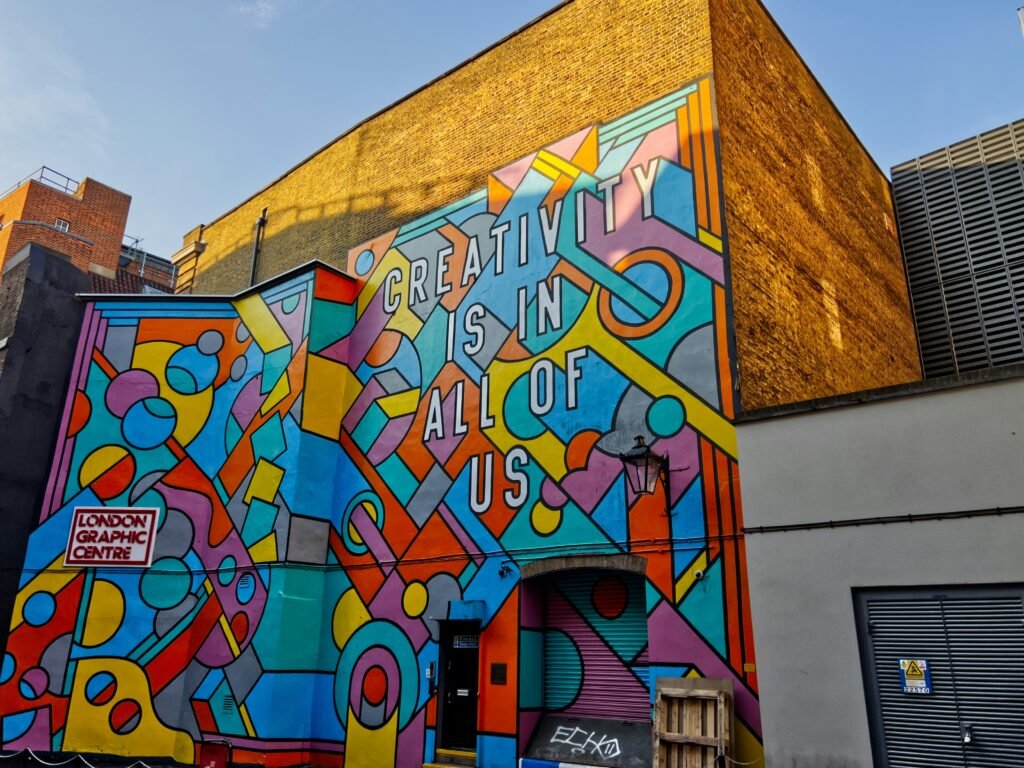
Frehf The Evolution of Language and Identity
Introduction to Frehf
The term frehf has emerged as a pivotal concept in the ongoing discourse about language, identity, and cultural expression. It signifies more than just a lexicon item; it encapsulates a unique approach to understanding how we communicate and define ourselves within a multifaceted world. Frehf acts as a linguistic mirror that reflects both personal and collective experiences, showcasing how language evolves and adapts to new contexts.
In corporate demography, we often witness a significant shift in language, where words gain new meanings and connotations as they are adopted across varied cultures. Frehf embodies this dynamic fluidity, highlighting the transformational capacity of language in shaping identities. By examining the implications of frehf, one can appreciate its role as a catalyst for creativity; it encourages individuals to engage with language in innovative ways, supporting the development of diverse narratives that challenge traditional norms.
Moreover, frehf serves as a powerful tool in expressing cultural identity. As communities intertwine and share experiences, the language they use evolves to reflect their unique contexts. Frehf provides a framework to explore these developmental trajectories, helping us understand how language is not only a means of communication but also a vehicle for cultural preservation. In an increasingly globalized world, terms like frehf become symbols of adaptability as they highlight the ways people negotiate language in response to changing environments.
Ultimately, frehf is a testament to our creativity and resilience. As societies continue to evolve and transform, the language we use must reflect those changes, aiding in the renewal of cultural identity and continuity. The exploration of frehf reveals the richness embedded in our linguistic heritage, underscoring how adaptive language practices can elevate our human experience.
The Meaning of Frehf
The term “frehf” is a versatile concept that resonates with various interpretations across different cultures and languages. Primarily, it denotes a sense of freshness, creativity, and innovation. This notion of newness is reflected in its usage in numerous artistic and expressive fields, where fresh ideas and novel perspectives are eagerly sought after. For instance, in contemporary art, the term may embody the essence of creativity that challenges traditional norms and prompts audiences to explore new horizons.
In the realm of language, “frehf” serves as a reminder of how dynamic and adaptive human expression can be. It encapsulates the way in which languages evolve, mirroring the fluid nature of identity itself. This concept propels discussions on how cultural exchanges influence language development, leading to the adoption of new terms and expressions that breathe life into everyday communication. As societies evolve, so does language, embracing innovation akin to the spirit of “frehf.”
Moreover, the implications of “frehf” can be observed in various cultural artifacts, from music genres that blend styles to culinary practices that introduce unexpected flavor combinations. These expressions reflect the core idea of embracing change and celebrating diversity. The concept encourages individuals to rethink their understanding of identity, challenging them to embrace new interpretations that go beyond traditional confines.
In essence, the multifaceted interpretations of “frehf” enrich discussions surrounding language and identity. By highlighting the intrinsic relationship between creativity and renewal, it serves as a catalyst for dialogue about how individuals and communities shape their unique identities through language, art, and innovation.
Language and Culture: A Dynamic Relationship
The relationship between language and culture is intricate and mutually reinforcing. Language is not merely a tool for communication; it is a reflection of the cultural identity and heritage of its speakers. As societies evolve, so too do their languages, adapting to the influences of technology, social dynamics, and cultural shifts. This emergence of new words, such as ‘frehf,’ exemplifies how language evolves in response to contemporary cultural phenomena.
Cultural events often lead to the development of new linguistic expressions. For instance, the rise of digital technology and social media platforms has birthed a plethora of new terminologies, encapsulating new concepts, behaviors, and social norms. In this way, language serves as both a vessel for cultural expression and as a mirror reflecting the prevailing values and practices of a community. The word ‘frehf’ may have emerged amidst social changes that demand new descriptors—a term born out of necessity to articulate experiences that were previously unrecognized.
Moreover, the influence of globalization has led to a fascinating interplay between diverse languages and cultures. As people engage with different cultural practices through travel, migration, or online interactions, their languages absorb and integrate foreign words and phrases, enriching their lexicons. The introduction of terms like ‘frehf’ is indicative of such a phenomenon, as it encapsulates a unique cultural experience that resonates across borders.
In essence, language and culture constantly shape and reshape each other in a dynamic relationship. The emergence of new lexicon like ‘frehf’ serves not only to communicate new ideas but also to signify cultural shifts, reflecting how identities are constructed and reconstructed over time. Understanding this relationship is crucial to appreciating the evolution of both language and cultural identity in an ever-changing world.
The Role of Creativity in Language Evolution
Language is not a static entity; it is a dynamic system that evolves over time. Central to this evolution is creativity, which facilitates the generation of new terms, expressions, and structures. The notion of creativity in language transformation has been extensively studied by linguists and theorists who propose that the human capacity for imaginative thought allows individuals to manipulate linguistic elements in novel ways.
One of the prominent figures in this domain is Noam Chomsky, who introduced the concept of generative grammar. He argues that the innate linguistic capacity enables speakers to create an infinite number of sentences, reflecting their creativity. Another notable theorist, Steven Pinker, suggests that language is shaped by human cognitive processes, allowing for innovative expressions to emerge. Such linguistic creativity is often exemplified in the formation of neologisms or the repurposing of existing words, pivotal in the evolution of language.
Case studies provide insightful perspectives on how specific innovative terms become mainstream. For instance, consider the rise of internet slang—words like “selfie” or “hashtag” were initially subcultural but have transcended their origins to gain universal acceptance. These terms illustrate how creativity can introduce new meanings that resonate with the collective language community. Similarly, linguistic trends like the shift from formal to more conversational tones exemplify how creative expression adapts language to contemporary contexts.
Furthermore, social media platforms have amplified the spread of such creative linguistic phenomena, allowing new terms to gain traction rapidly. Memes, tweets, and viral challenges can facilitate the evolution of language, demonstrating the interplay between creativity and modern technology. As language reflects cultural identity, the innovative spirit of individuals contributes significantly to the reshaping and expansion of linguistic norms.
Identity and Language: How Frehf Represents Personal and Collective Identity
The intricate relationship between language and identity plays a significant role in shaping both individual and collective experiences. The term “frehf” emerges as a compelling symbol representing this complex interconnection, encapsulating the nuances of personal identity while also resonating with broader communal narratives. As individuals, we often rely on language as a primary means to express our thoughts, beliefs, and cultural affiliations. Frehf has come to epitomize this phenomenon, allowing people to articulate elements of their identity that may be difficult to express through traditional linguistic frameworks.
Language not only reflects individual identity but also contributes to its formation. The concept of frehf illustrates this by highlighting how specific words and expressions can embody unique aspects of personal history, social belonging, and cultural heritage. In different contexts, frehf can signify various meanings, thereby enriching the identities of those who adopt it. This adaptability showcases the dynamic nature of language, emphasizing that it is not static but continually evolving in response to the experiences of its speakers.
On a collective level, the symbolism of frehf extends to communities that share similar experiences and values. By adopting the term, groups can forge a stronger sense of belonging and solidarity among their members. This collective identity becomes articulated through shared language and understanding, where frehf serves as a rallying point for expressing communal aspirations, challenges, and triumphs. Thus, the interplay between frehf and identity illustrates how language is not merely a tool for communication but also a foundational element of our social existence and cultural identities. By recognizing the power of language, we better appreciate how it shapes both individual identities and collective experiences.
Examples of New Words Shaping Culture
As language evolves, new words continuously emerge, reflecting cultural shifts and societal changes. One such term that has gained significant traction is “lit,” originally rooted in hip-hop culture, meaning exciting or excellent. Its adoption into mainstream discourse illustrates how language can serve as a bridge between different communities. This word has permeated conversations on social media and in casual dialogue, reshaping how individuals express joy or enthusiasm.
Similarly, the term “ghosting” has emerged in the realm of dating and social relationships. It refers to the abrupt end of communication without explanation, often leaving one party confused and hurt. This word highlights modern relationship dynamics that were less visible in previous generations, prompting discussions around emotional health and the importance of communication in navigating personal connections.
Another potent example is “self-care,” which has evolved from a simple concept of physical well-being into a lifestyle movement prioritizing mental health and personal boundaries. The adoption of this term encompasses various practices from mindfulness to wellness routines, influencing societal perceptions of mental health and fostering more open dialogues around self-worth and personal development.
Each of these terms, like “frehf,” exemplifies how language shapes our cultural narratives and collective identity. They carry meanings that resonate deeply within social contexts, influencing how we communicate and relate to one another. As people increasingly engage in digital spaces, these contemporary expressions serve as powerful tools for connection and understanding, reflecting an underlying need for shared experiences and emotional resonance.
Frehf in Modern Media and Communication
The concept of ‘frehf’ has significantly influenced modern media and communication, presenting a new lexicon that shapes digital interaction. It encompasses a broad range of expressions that have emerged within social networks, advertising, and various digital platforms. As communication becomes increasingly fast-paced and visually driven, the term ‘frehf’ embodies a shift in how individuals convey ideas and emotions online.
On social media platforms, users frequently employ ‘frehf’ as part of memes, hashtags, and viral content. The dynamic nature of such media drives the evolution of language, where brevity and impact are paramount. This adaptation signifies a growing trend towards more expressive, yet concise, forms of communication that encapsulate broader cultural phenomena. Users instinctively understand and interpret ‘frehf,’ allowing them to resonate with the sentiments portrayed, often leading to an immediate bond or shared experience among users.
In advertising, the incorporation of ‘frehf’ often helps brands connect with younger demographics who favor relatable content. Companies utilize this informal language style to engage their audience, fostering a sense of community around their products. This strategy reflects a growing recognition of how language shapes identity and influences consumer behavior, ultimately leading to more effective marketing campaigns.
Moreover, the implications of ‘frehf’ extend beyond personal interactions; they influence professional communication styles as well. The increasing blend of casual and formal language in business environments highlights the importance of adapting to contemporary trends. Thus, ‘frehf’ signifies not just a mere trend, but rather a significant evolution in the modes of expression that facilitate communication in a rapidly changing digital landscape.
Challenges of Language Evolution
The evolution of language is a natural process that reflects changes in society, culture, and technology. However, the introduction of new terms, such as ‘frehf,’ often faces significant resistance. This resistance can manifest in various ways, including skepticism from language purists, confusion among speakers, and debates about the appropriateness of these new expressions in formal contexts.
Language purists argue that the introduction of slang or informal terms dilutes the richness and precision of communication. They contend that terms like ‘frehf’ compromise clarity, leading to misunderstandings in both spoken and written forms. Such objections are particularly evident in academic and professional settings where established terminology is preferred. Critics often assert that new words can create barriers to effective communication, especially when audiences are unfamiliar with them. This unfamiliarity can hinder discussions, particularly in sensitive or formal environments.
On the other hand, proponents of linguistic evolution argue that the introduction of new terminology can enhance communication by encapsulating concepts that previously lacked precise wording. For example, the term ‘frehf’ might address modern experiences or perspectives that traditional language does not capture. This dynamic process of lexicon adaptation fosters inclusivity and reflects societal changes. Furthermore, as language evolves, it can contribute to the creation of new identities, enabling individuals to express themselves in ways that resonate with their lived experiences.
While the challenges posed by language evolution cannot be overlooked, it is crucial to recognize the potential benefits of embracing new terminology. Ultimately, the balance between preserving linguistic integrity and fostering evolution will shape the future of communication, as society continues to navigate the complexities of identity and expression.
Conclusion: The Future of Frehf and Language Identity
The concept of frehf represents more than just a linguistic evolution; it is a reflection of the dynamic interplay between language and cultural identity. As we look to the future, frehf and its associated linguistic frameworks are poised to continue influencing creativity and the way individuals relate to their cultural heritage. With globalization and technological advancements, the boundaries of language are continually expanding, allowing for a more fluid interaction between diverse linguistic communities.
Emerging platforms and communication technologies are fostering new forms of expression that incorporate elements of frehf, enabling a hybridization of language that resonates with younger generations. This ongoing development could lead to the creation of entirely new dialects or vernaculars that further enrich cultural identity and personal expression. At the same time, the blending of different languages may also evoke challenges in preserving traditional linguistic structures, necessitating a delicate balance between embracing innovation and retaining cultural roots.
Moreover, the role of frehf in expressing identity is likely to grow as individuals increasingly seek to define themselves in relation to a multicultural society. The interplay of language, culture, and identity is ever-evolving, suggesting that frehf will not only adapt but will also serve as a pivotal element in shaping narratives around belonging and community. As these transformations unfold, it will be essential for educators, policymakers, and cultural advocates to engage with the implications of this evolution on societal structures.
In conclusion, the future of frehf and language identity holds great promise and complexity. Language will continue to serve as a bridge, connecting individuals to their roots while facilitating the creative expression of a globalized world. The thoughtful examination of these dynamics will be critical as we navigate an ever-changing linguistic landscape.