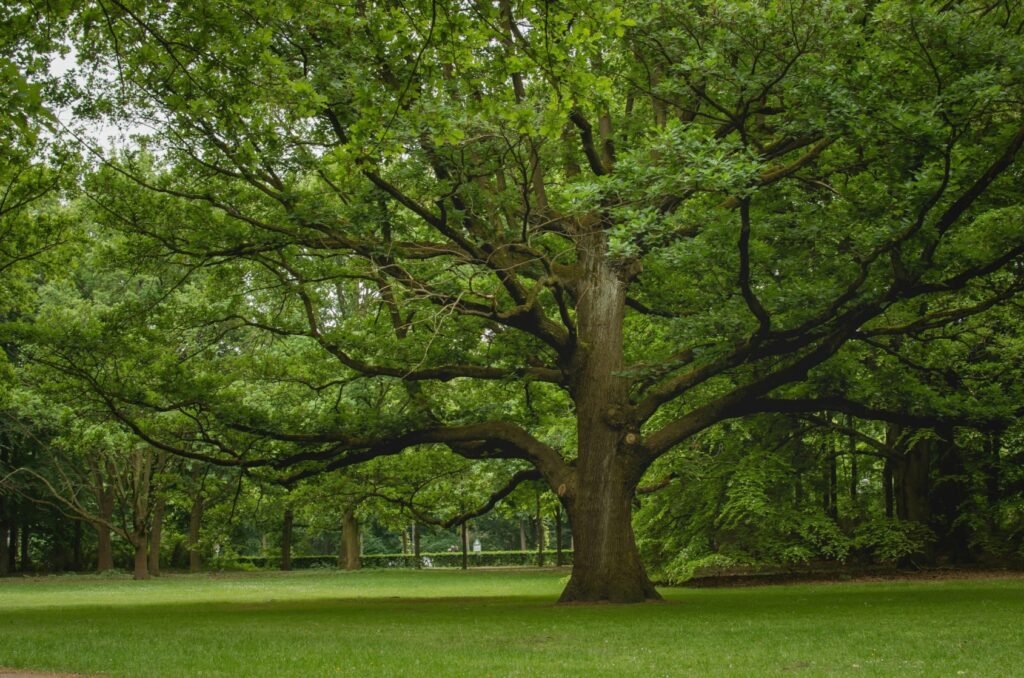
Lewis center ohio champion trees
Introduction to Champion Trees
Champion trees are recognized as the largest specimens of their species based on specific measurements—typically trunk circumference, height, and crown spread. These majestic trees play an essential role in ecology as they contribute to biodiversity, providing habitats for numerous organisms and helping maintain the balance of ecosystems. Their significance extends to conservation efforts, as these trees can serve as valuable genetic reservoirs for forest health and resilience against environmental changes.
In Ohio, champion trees also hold cultural and historical importance, inspiring community pride and a sense of stewardship among residents. The Ohio Champion Tree Program, established to identify and document these natural behemoths, encourages conservation and awareness about the state’s native tree species. By recognizing these giants, the program not only records their size and characteristics but also highlights the need to preserve these invaluable living resources for future generations.
To qualify as a ‘champion,’ a tree must be mapped and measured following established guidelines, which often include criteria such as the overall health of the tree, its size in relation to others of the same species, and its ecological role. Trees are measured for three dimensions: circumference (measured at 4.5 feet above ground), height, and spread of the canopy; these data points are then compiled to determine the champion status. The dedication to recognizing trees like these in Lewis Center, Ohio, ensures that both the beauty and ecological importance of champion trees are protected and celebrated within the community.
The Unique Flora of Lewis Center
Lewis Center, Ohio, is home to a rich diversity of plant species that contribute significantly to the region’s ecological fabric. This area, marked by its varied topography and climate, provides an ideal environment for the growth of champion trees, which are specimens recognized for their exceptional size, age, or historical significance. The unique flora of Lewis Center is not just a delight for nature enthusiasts but also plays a crucial role in maintaining ecological balance.
The climate in Lewis Center, characterized by a mix of humid continental conditions, supports a wide range of tree species. This includes both deciduous and coniferous varieties, such as oaks, maples, and pines, that thrive in the area. The region’s soil composition, enriched by organic matter and a favorable pH level, further enhances the capacity for these champion trees to flourish. Consequently, Lewis Center has become a vital repository for various species, many of which are champion trees celebrated for their impressive dimensions.
The ecological importance of these trees extends beyond mere aesthetics. Champion trees serve as crucial habitats for various wildlife, offer shade, and improve air quality. They also contribute to the carbon cycle, absorbing carbon dioxide and releasing oxygen, thus playing an essential role in combating climate change. Furthermore, the unique biodiversity supported by the area’s rich flora ensures the resilience of local ecosystems, allowing them to adapt to challenges posed by environmental changes.
Exploring the unique flora of Lewis Center is not only an exercise in appreciating nature’s grandeur but also underscores the importance of conservation efforts aimed at protecting these remarkable trees and the ecosystems they support. As we continue to celebrate the champion trees of Lewis Center, it is imperative to recognize their role in ecological health and sustainability.
Notable Champion Trees in Lewis Center, Ohio
Lewis Center, Ohio, is renowned for its diverse array of champion trees, each representing a unique piece of the region’s natural heritage. Among these notable trees, the Sugar Maple (Acer saccharum) stands out as a titan of the forest, measuring an impressive 80 feet in height with a trunk circumference of over 200 inches. This majestic tree not only showcases the grandeur typical of Lewis Center but also plays a crucial role in the ecosystem by providing shade and habitats for various wildlife species.
Another remarkable specimen found in this area is the Eastern Cottonwood (Populus deltoides). Known for its rapid growth, this champion tree has reached a remarkable height of 70 feet and has a trunk circumference of about 150 inches. It’s interesting to note that Eastern Cottonwoods thrive along waterways, making this particular tree a magnificent sight along the banks of local streams in Lewis Center. Its status as a champion tree is a testament to its resilience and adaptability.
The Black Walnut (Juglans nigra) is yet another noteworthy species in the Lewis Center area. This tree has gained notoriety not only for its size—standing nearly 75 feet tall with a trunk circumference exceeding 160 inches—but also for its valuable wood, which is highly sought after in furniture making. Additionally, the Black Walnut contributes to the local biodiversity, serving as a food source for various mammals and birds.
Lastly, the White Oak (Quercus alba), with its sprawling branches and significant canopy cover, measures around 85 feet in height. It has become an integral part of Lewis Center’s identity, representing centuries of growth and stability. Visitors frequently comment on its impressive stature and deep-rooted history within the local community.
Conservation Efforts for Champion Trees
The preservation of champion trees in Lewis Center, Ohio, is of paramount importance to local ecosystems and heritage. These magnificent trees not only serve as a testament to the area’s natural history but also provide essential ecological benefits, such as habitat for wildlife, improved air quality, and soil stabilization. As such, concerted conservation efforts are underway to ensure that these natural treasures are safeguarded for future generations.
Local organizations play a pivotal role in the conservation of these trees. Groups such as the Lewis Center Environmental Council focus on raising awareness and promoting initiatives aimed at protecting the champion trees. They conduct regular assessments to monitor the health of these trees and implement restoration programs where necessary. Engaging community members in these activities fosters a sense of responsibility and pride, further enhancing commitment towards local environmental stewardship.
Community involvement is vital to the success of these conservation initiatives. Volunteer programs often organize tree planting and management events, providing residents an opportunity to contribute directly to the preservation of their local landscapes. Educational programs are also established in schools and community centers, highlighting the significance of champion trees in Lewis Center. Such programs inform the public about the ecological roles these trees play and encourage sustainable practices in daily life.
Overall, the collaborative efforts of various organizations and community members in Lewis Center strive to protect these monumental trees. Their ongoing dedication ensures that the iconic champion trees remain a cherished component of the local environment, contributing to both ecological balance and community identity. By emphasizing conservation, the future of Lewis Center, Ohio, and its champion trees looks promising, allowing both nature and community to thrive harmoniously.
Visiting Lewis Center’s Champion Trees
Lewis Center, Ohio, is home to a remarkable collection of champion trees, which are designated based on their impressive size, height, and overall beauty. For those interested in exploring these natural wonders, there are several aspects to consider to ensure a fulfilling experience.
Getting to Lewis Center is relatively straightforward as it is located near major highways in Ohio, making it easily accessible by car. Visitors can use GPS navigation for precise directions, ensuring they reach the desired locations where these majestic trees stand. The champion trees can often be found in public parks, nature reserves, or within the care of local conservation groups. It is advisable to research the specific sites in advance to save time and maximize the visit.
Timing is essential when planning a visit to the champion trees. While these natural giants can be appreciated year-round, spring and early fall are considered the best seasons. During these times, visitors can enjoy the vibrant foliage and take advantage of pleasant weather for hiking and exploring. Each season offers a unique perspective on the trees’ grandeur, from the blossoming flowers in spring to the striking colors of autumn leaves.
For those seeking further engagement, various guided tours are often available, provided by local arboretums or conservation organizations. These tours not only enhance the experience but also educate visitors about the ecological significance of these champion trees. Knowledgeable guides can provide deeper insights into the species, their characteristics, and the importance of preserving such natural resources. Be sure to book these tours in advance, as they can be popular during peak visiting seasons.
In conclusion, whether you are an avid nature lover, a photographer, or simply seeking tranquility, visiting the champion trees of Lewis Center, Ohio, promises an enriching experience filled with discovery and appreciation of nature’s marvels.
The Role of Trees in Urban and Community Planning
Champion trees, such as those found in Lewis Center, Ohio, serve as vital components in urban and community planning. These magnificent trees not only provide aesthetic value, enhancing the visual appeal of neighborhoods but also contribute significantly to the community’s identity. The presence of majestic trees creates a connection between local residents and their environment, fostering a sense of pride and attachment to the community.
Beyond their beauty, champion trees play an essential role in promoting public health and well-being. Numerous studies have shown that green spaces, lined with trees, are beneficial for mental health. The verdant canopy of trees provides a serene environment that encourages outdoor activities, relaxation, and social interaction. This is particularly meaningful in urban areas like Lewis Center, Ohio, where the hustle and bustle of daily life can often lead to stress and anxiety.
In addition, trees contribute to environmental sustainability and urban ecology. They improve air quality by absorbing pollutants and carbon dioxide while releasing oxygen. Furthermore, champion trees can regulate temperatures, helping to mitigate the urban heat island effect. This is crucial in creating livable and comfortable urban environments for residents. The strategic inclusion of such trees in community planning not only enhances the quality of life for current residents but also ensures that future generations can enjoy the ecological and aesthetic benefits they provide.
In conclusion, the role of trees, particularly champion trees in Lewis Center, Ohio, extends far beyond their picturesque presence. They contribute to the community’s identity, enhance aesthetic values, and provide mental health benefits, making them indispensable in urban planning. As communities continue to grow and evolve, the preservation and incorporation of these remarkable trees should remain a priority.
Personal Stories and Experiences
Visiting the champion trees in Lewis Center, Ohio, evokes a rich tapestry of emotions and experiences among locals and visitors alike. Many individuals have shared their stories of connection with these majestic trees, emphasizing the deep-rooted significance they hold within the community. For instance, one resident recalls spending summers climbing the towering branches of a centuries-old oak, forming memories of laughter and adventure that have been passed down through generations. This personal adventure not only highlights the joy these trees bring but also underscores a sense of belonging that they foster.
Another account comes from a family who made it a tradition to host picnics in the shade of a famous sycamore tree known as a symbol of resilience. For them, it serves as a gathering point, where stories are shared, and experiences cherished. The atmosphere around this tree is filled with warmth and nostalgia, reinforcing the idea that champion trees are more than just natural wonders; they are integral to personal histories and shared community narratives.
Visitors to Lewis Center often express awe and reverence upon standing beneath the towering branches of these champion trees. One tourist shared her experience of capturing photographs beneath a striking walnut tree, remarking on the beauty and tranquility that enveloped her as she stood in its shadow. Such encounters with the lewis center ohio champion trees have led to a growing appreciation for the natural beauty that exists in our surroundings, promoting environmental consciousness in the process.
These personal stories illustrate that the lewis center ohio champion trees are more than mere statistics or names on a list; they are living witnesses to the passage of time, intertwined with the lives of those who have come to embrace them. Through these connections, we can better understand the cultural and emotional significance that these grand trees hold in the hearts of the community.
Future of Champion Trees in Ohio
The future of champion trees in Lewis Center, Ohio, and across the state is faced with significant challenges that necessitate proactive measures for their preservation. Climate change is arguably the most pressing issue, as it alters weather patterns, shifts growing seasons, and increases the frequency of extreme weather events. These changes can directly impact the health and growth of champion trees in Lewis Center, many of which have stood for decades, if not centuries. As temperatures rise and precipitation patterns shift, the survival of these majestic specimens may depend on adaptive management strategies that consider their unique ecological needs.
Urban development also poses a significant threat to the future of champion trees in Ohio. Expansion projects in Lewis Center often encroach upon green spaces, leading to habitat loss and fragmentation. The challenge is to find a balance between growth and preservation, where urban planners and conservationists collaborate to prioritize the protection of these trees amidst development efforts. Programs aimed at mapping the locations of champion trees can be instrumental in informing urban planning, ensuring that these natural treasures are incorporated into the design of parks and greenways.
Invasive species present an additional threat, as they can disrupt local ecosystems and outcompete native species, including champion trees. Various organizations and local authorities are working to control these invasive species and promote the growth of native flora. Educational initiatives aimed at the community can also foster a culture of stewardship towards these trees, empowering residents to take part in conservation efforts.
Measures such as these are critical to ensuring the survival of lewis center ohio champion trees for future generations. By embracing sustainable practices and valuing these natural monuments, we can contribute to a lasting legacy of biodiversity and ecological health in Ohio.
Conclusion and Call to Action
In conclusion, the champion trees of Lewis Center, Ohio, are vital components of our natural environment. These remarkable trees not only serve as a testament to the resilience and longevity of nature but also play an essential role in the ecosystem. Champion trees provide habitats for various wildlife species, contribute to air and water quality, and offer valuable shade and beauty to our surroundings. Their towering presence inspires awe and reminds us of the deep connection we share with the natural world.
We encourage readers to actively engage with and appreciate these magnificent natural monuments. Visiting the champion trees of Lewis Center, Ohio, allows individuals to witness firsthand the grandeur of these natural giants. Taking the time to explore the beauty of these trees can foster a greater understanding of their significance in our ecosystem. Furthermore, participating in local conservation efforts can greatly benefit these trees and promote a more sustainable environment. You can help safeguard these important natural resources by volunteering for tree-planting events, supporting local environmental organizations, or simply spreading awareness about the importance of champion trees.
By getting involved and appreciating the champion trees of Lewis Center, Ohio, we can all contribute to their preservation and ensure that future generations may experience the joy and wonder they provide. Let us come together to protect our local heritage and promote the health of our environment for years to come.