Lufanest
Introduction to Lufanest
Lufanest represents a unique framework that embodies the essence of community traditions and practices. It serves as a cultural landmark for various groups, encapsulating values, beliefs, and rituals that are vital for maintaining societal cohesion. Within this framework, the customs practiced by a community can be seen not merely as activities but as expressions of identity that connect individuals to their shared history and future aspirations.
The significance of Lufanest extends beyond surface-level interactions. It acts as a conduit for the transmission of knowledge and the reinforcement of social bonds across generations. Through festivals, ceremonies, and communal gatherings, members of a community are provided with opportunities to come together, celebrate, and reinforce their ties. These gatherings not only preserve traditional practices but also adapt to contemporary influences, illustrating the dynamic nature of community life.
Moreover, Lufanest underscores the role of rituals in enhancing community identity. Rituals serve as markers of cultural heritage, offering participants a sense of belonging and continuity. They help individuals define their place within a community, while also creating shared narratives that highlight collective experiences. As members engage with these practices, they contribute to a greater understanding of their heritage and lay the groundwork for future generations to inherit and reshape these traditions.
In essence, Lufanest is pivotal in shaping how communities navigate the interplay between tradition and modernity. By examining its components, one can appreciate how deeply rooted customs and social practices not only foster unity among individuals but also serve as the lifeblood of the communities they inhabit. Each layer of tradition acts as a testament to the community’s enduring spirit and commitment to preserving its unique identity.
The Significance of Traditions
Traditions serve as the backbone of any community, and in Lufanest, they encapsulate the collective values and beliefs that have been nurtured over generations. These practices are not merely rituals; they are profound expressions of the historical experiences that have shaped the lives of the people in this community. Each tradition carries a story, a lesson, or a memory that reflects the resilience and evolution of Lufanest.
In Lufanest, traditions often emerge as a consequence of the community’s unique historical narrative. They act as a repository of knowledge, preserving insights from the past while guiding present and future generations. Through annual festivals, cultural ceremonies, and other communal activities, the residents reinforce their shared identity and foster social cohesion. The intertwined nature of these traditions demonstrates their significance in the broader tapestry of community life.
Moreover, the ethical frameworks that underlie these customs promote a sense of belonging and mutual respect among the inhabitants. For instance, many traditions in Lufanest emphasize values such as hospitality, cooperation, and honoring elders, which are pivotal to community harmony. Such values are intentionally woven into the cultural fabric, ensuring that they endure even as societal dynamics evolve.
Ultimately, the significance of traditions in Lufanest cannot be overstated. They serve as living testimonies to the community’s aspirations and challenges, creating a platform for dialogue and understanding among diverse groups. By embracing their traditions, the people of Lufanest not only celebrate their identity but also cultivate a sense of continuity, reinforcing their commitment to the collective future. Thus, traditions in Lufanest are more than practices; they are vital elements that highlight the richness of community life, encapsulating the essence of who the people are.
Key Practices of Lufanest
The community of Lufanest is characterized by a rich tapestry of practices that serve as the backbone of its cultural identity. Among these, one of the most significant rituals is the annual harvest festival, which symbolizes gratitude for a bountiful year. During this event, community members gather to celebrate not only the season’s yields but also the collaboration that makes such abundance possible. Traditional dances, songs, and communal feasts characterize this festival, reinforcing the bonds among members and fostering a sense of unity.
Another cornerstone of Lufanest’s cultural practices is the custom of storytelling. Elders pass down folklore and historical accounts through oral traditions, creating a shared narrative that strengthens intergenerational ties. These storytelling sessions often take place around a communal fire, promoting camaraderie and reflection. Importantly, the stories often embody moral lessons, serving as guideposts for younger generations and embedding core values within the community.
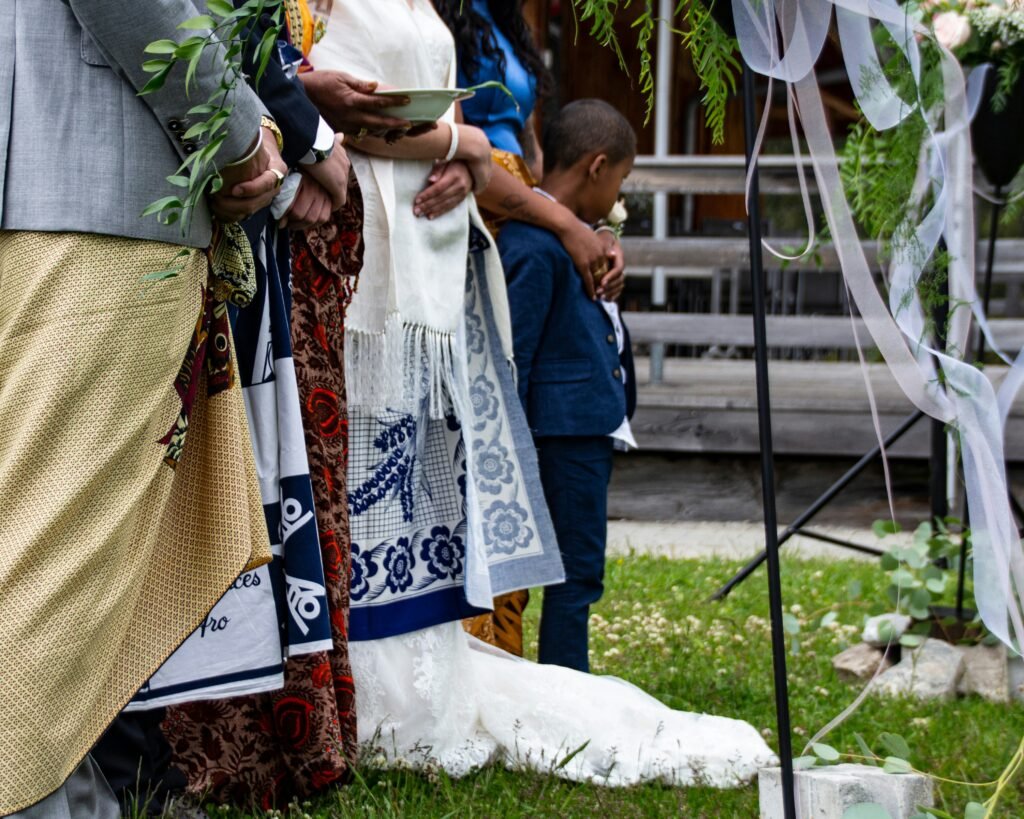
Additionally, Lufanest observes various rites of passage, marking significant life transitions such as births, marriages, and deaths. These ceremonies, steeped in tradition, invite participation from all members of the community and serve as occasions for collective remembrance and celebration. For instance, a marriage ceremony not only unites two individuals but also strengthens family connections and reinforces communal values.
Furthermore, community service and cooperative work are integral to Lufanest practices. Periodic cleanup drives or communal farming days underscore a collective commitment to shared spaces and mutual assistance. Engaging in these activities cultivates a sense of belonging, as every participant plays a vital role in enhancing the community’s welfare.
Through these key practices, Lufanest exemplifies how rituals, ceremonies, and communal activities promote unity and belonging, enriching the lives of its members while continuing to preserve their heritage.
Values and Beliefs Underpinning Lufanest
The community of Lufanest is deeply rooted in a rich tapestry of values and beliefs that have shaped its traditions and practices over generations. These core beliefs not only establish the framework for community interactions but also foster a sense of identity and belonging among residents. One of the primary values embraced by the people of Lufanest is the principle of collectivism, which emphasizes the importance of community over individualism. This value nurtures collaboration and mutual support, encouraging residents to work together for common goals and the greater good.
Respect for traditions is another cornerstone of the Lufanest ethos. The community holds its customs in high regard, viewing them as vital threads that connect past and present. This respect manifests in various practices, from traditional festivals that celebrate historical events to daily rituals that honor ancestors. Through these customs, the people of Lufanest reinforce their ties to their heritage and share them with younger generations, ensuring the continuity of their cultural identity.
Additionally, the value of compassion permeates the social fabric of Lufanest. Residents are encouraged to show empathy and kindness towards one another, which strengthens relationships and fosters a supportive environment. This compassion often translates into communal initiatives, such as charity events and support networks, aimed at helping the less fortunate. Such collective efforts not only reflect the community’s commitment to care for its members but also enhance social cohesion.
Ultimately, the values and beliefs that underpin Lufanest significantly influence community dynamics. They shape behaviors, govern social norms, and impact interpersonal relationships. By fostering a strong sense of identity and belonging, these values create a resilient social fabric that holds the community together, navigating challenges while celebrating its unique heritage.
Lufanest in Modern Context
The traditions and customs associated with Lufanest hold a significant position in the cultural fabric of various communities. In recent years, however, these time-honored practices are facing numerous challenges due to the influence of globalization and rapid technological advancements. As societies evolve, the preservation of Lufanest becomes increasingly complicated, prompting an examination of how these traditions adapt within a modern framework.
Globalization has introduced a myriad of new ideas and cultures that often overshadow local customs. This phenomenon poses a risk of diminishing the unique practices linked to Lufanest. As communities become more interconnected, some traditions may be diluted to accommodate a more homogenized culture. Nevertheless, many groups are responding to this challenge with innovative approaches, ensuring that Lufanest remains relevant. For instance, some communities have turned to social media and digital platforms to showcase their traditions, effectively reaching a wider audience while fostering a renewed appreciation for their ancestral customs.
Moreover, the rise of technological advancements, such as virtual reality and augmented reality, presents both opportunities and threats for Lufanest. These technologies offer innovative methods for sharing and experiencing traditional practices but can also lead to misrepresentation if not approached thoughtfully. Communities are finding ways to leverage these innovations to enhance the understanding and participation in Lufanest, bridging the gap between generations and ensuring that younger audiences are engaged with their heritage.
In conclusion, the modern context of Lufanest brings both challenges and opportunities. While globalization and technology can pose threats to the authenticity of these traditions, they also provide new avenues for expression and preservation. Through proactive approaches, communities can navigate these complexities, ensuring that the heartbeat of Lufanest continues to resonate within contemporary society.
Case Studies: Lufanest in Different Communities
The concept of lufanest manifests uniquely across various communities, creating a rich tapestry of cultural practices and traditions. Each community adopts and adapts these practices in ways that resonate with their local histories and societal structures.
In the coastal town of Eldera, lufanest traditions are woven into the fabric of daily life, particularly through their annual fishing festival. During this event, the community comes together to honor the sea and celebrate their dependence on marine resources. Rituals including the offering of the first catch to the sea are performed, encapsulating the essence of lufanest by intertwining respect for nature with social cohesion.
Conversely, in the mountainous region of Verenth, lufanest is expressed through seasonal harvest celebrations. Here, communities engage in agricultural rituals aimed at ensuring bountiful crops. The culmination of these practices occurs at the Harvest Moon Festival, where families share traditional dishes prepared with locally sourced ingredients. This event not only reinforces the significance of food in community bonding but also highlights the diversity of lufanest through its focus on agricultural life.
In urban settings, such as the multicultural metropolis of Linport, lufanest traditions take on a contemporary twist. The city’s cultural fair showcases a variety of artistic expressions and culinary delights from different ethnic backgrounds. This celebration of diversity illustrates how lufanest can serve as a platform for intercultural exchange, allowing individuals to experience and learn from each other’s traditions.
These case studies exemplify the adaptability of lufanest across diverse environments. Each community reflects its own values and historical context, demonstrating that lufanest is a living tradition, continuously shaped by the people who embody it.
The Role of Education in Preserving Lufanest
Education serves as a cornerstone in safeguarding the traditions and practices associated with Lufanest, ensuring that the community’s rich cultural tapestry is effectively woven into the minds of future generations. This educational approach encompasses not only formal instruction but also informal learning through storytelling and community engagement. The passing down of knowledge from elders to younger community members is a vital process that fosters a deep appreciation for the historical significance and contextual relevance of Lufanest.
Storytelling, in particular, plays a crucial role in this educational framework. Through narratives, communities share the legends, values, and morals that define Lufanest. These stories are not merely entertaining; they are a powerful means of transmitting cultural heritage, embodying the community’s identity and guiding principles. Utilizing local dialects and traditional platforms for storytelling enhances the authenticity of these narratives, allowing them to resonate more profoundly with the audience. In embracing this art form, the community actively engages in a dynamic process of recollection, interpretation, and reinforcement of its traditions.
Furthermore, community engagement initiatives, such as workshops and cultural events, serve as practical avenues for learning about Lufanest. These activities not only reinforce the cultural traditions but also create a shared space where members of all ages can come together to learn, participate, and innovate. By promoting inclusive and participatory education, communities can cultivate a sense of ownership and pride over their heritage. This collective responsibility is instrumental in ensuring that the vibrancy of Lufanest continues to flourish.
Ultimately, the integration of education in preserving Lufanest transcends mere knowledge transmission; it fosters a living culture that adapts while retaining its core essence. As such, continuous investment in educational initiatives is essential for keeping Lufanest alive in both contemporary and future contexts.
Challenges to Lufanest
The vibrant traditions and practices associated with lufanest are subject to various challenges that threaten their survival. One of the most pressing challenges is cultural homogenization, which often occurs in an increasingly globalized world. As communities become more interconnected through technology and mass media, the unique cultural markers that define lufanest can become diluted. This loss of cultural distinctiveness diminishes the richness and diversity that characterize community traditions and can result in a monolithic cultural landscape.
Another significant challenge to lufanest arises from generational disconnect. Younger individuals may feel increasingly detached from the traditions that their ancestors once upheld. Factors such as urbanization, educational shifts, and exposure to alternative cultural practices can contribute to this disconnect. Consequently, the knowledge, stories, and rituals that form the bedrock of lufanest may be overlooked or forgotten, further endangering their continuity.
To proactively address these challenges, it is essential for communities to engage in active preservation efforts. Initiatives that emphasize the importance of cultural heritage can be developed, such as community workshops, intergenerational storytelling sessions, and cultural festivals. These activities foster a sense of pride among younger generations while also providing them a platform to participate and contribute to the lufanest. Moreover, using contemporary methods, such as digital storytelling and social media campaigns, can expand the reach of lufanest practices and engage a broader audience. By embracing both traditional and modern approaches, communities can effectively navigate the pressures of cultural homogenization and generational disconnect, ensuring the longevity of their cherished lufanest traditions.
Conclusion: The Future of Lufanest
The exploration of Lufanest reveals a rich tapestry of community traditions and practices that form the backbone of social cohesion and cultural identity. As we have discussed, Lufanest is not merely a collection of customs; it embodies the history, values, and aspirations of the community. However, the future of Lufanest hinges on the delicate balance between preserving these traditions and adapting them to the inevitable changes posed by modernity and globalization.
To ensure the continuity of Lufanest, it is crucial for community members to actively engage in the transmission of their cultural heritage to younger generations. This can be achieved through educational initiatives, workshops, and community gatherings that encourage participation and dialogue. By doing so, the essence of Lufanest will remain vibrant and relevant, instilling a sense of belonging in its inhabitants.
Furthermore, embracing technology and innovative approaches can enhance the visibility and appreciation of Lufanest both within and beyond the local community. Initiatives that use social media platforms, digital storytelling, or virtual events can reach wider audiences, fostering interest and engagement in traditional practices. This would not only promote Lufanest but also invite outside perspectives that could enrich its cultural landscape.
In conclusion, while the challenges facing Lufanest are significant, they are not insurmountable. By honoring the past and welcoming new ideas, community members can ensure that Lufanest continues to thrive as a lifeline of cultural identity. The ongoing commitment to actively preserve and adapt these traditions will be instrumental in shaping not just the future of Lufanest, but also the shared narrative of the community it represents.