Ocular Cytokine Regulation: A New Frontier in Keratoconus Treatment
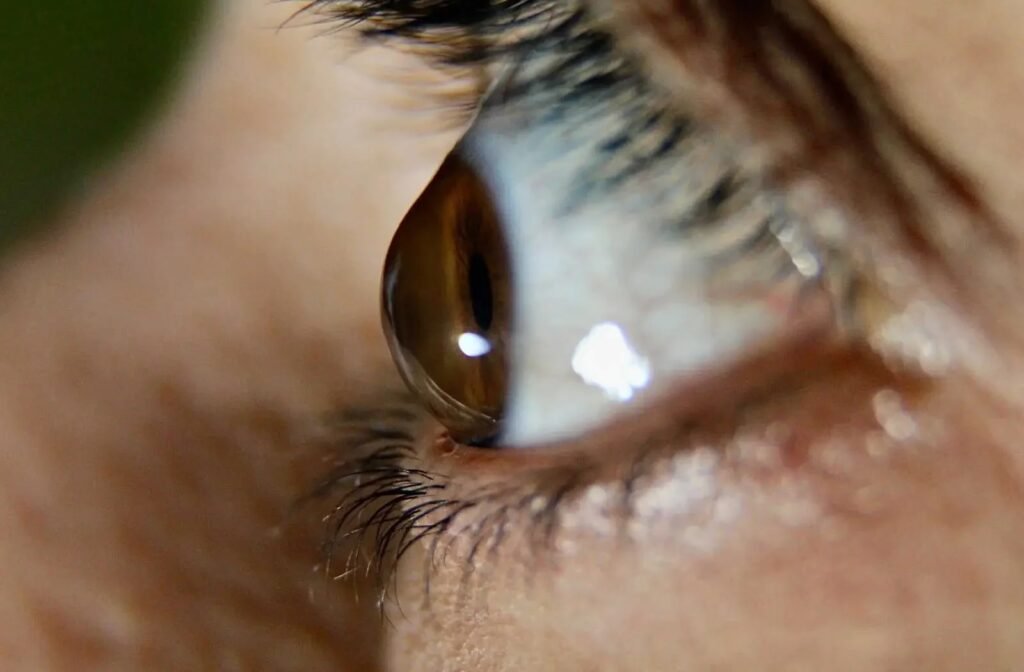
For decades, keratoconus has been viewed primarily as a structural disorder of the cornea—a condition in which the clear front surface of the eye gradually thins, weakens, and bulges into a cone-like shape, distorting vision. Conventional treatments have focused on mechanical correction or stabilization, including specialty contact lenses, corneal collagen cross-linking (CXL), and in advanced cases, corneal transplantation.
However, a growing body of scientific evidence is reshaping how keratoconus is understood—and treated. Researchers now recognize keratoconus as an inflammatory disease in disguise, driven by immune-mediated processes that gradually undermine corneal strength. This evolving understanding has paved the way for an innovative, non-surgical approach known as Ocular Cytokine Regulation, developed and offered by Netra Eye Institute
The Hidden Role of Inflammation in Keratoconus
Cytokines are small signaling proteins released by immune cells to regulate inflammation and healing. Under normal conditions, cytokines help protect tissues and restore balance. But when cytokine activity becomes excessive or dysregulated, chronic inflammation can develop—leading to tissue damage rather than repair.
In recent years, multiple studies have shown that patients with keratoconus exhibit elevated levels of pro-inflammatory cytokines such as interleukin-6 (IL-6), interleukin-1 beta (IL-1β), interleukin-8 (IL-8), and tumor necrosis factor-alpha (TNF-α) in their tears and corneal tissue. These inflammatory signals activate enzymes that break down collagen and weaken the extracellular matrix that gives the cornea its strength and shape.
Importantly, keratoconus often lacks the classic signs of inflammation such as redness or pain, which is why it was long classified as “non-inflammatory.” Yet beneath the surface, a low-grade, chronic inflammatory process continues to damage corneal tissue over time.
Why Conventional Treatments Often Fall Short
Corneal collagen cross-linking (CXL) has become the standard medical intervention to slow keratoconus progression. The procedure stiffens corneal collagen using riboflavin and ultraviolet light, reducing further bulging of the cornea. While effective at stabilization, CXL does not address the inflammatory drivers of the disease and does not reverse existing corneal damage
Long-term studies have shown that up to 20–22% of patients continue to progress even after cross-linking, particularly younger patients or those with ongoing inflammation. This highlights a critical gap in current care: stabilizing the cornea mechanically without addressing the biological processes that weaken it in the first place.
Introducing Ocular Cytokine Regulation
Ocular Cytokine Regulation (CCR) represents a fundamentally different approach. Rather than focusing solely on corneal structure, CCR targets the underlying inflammatory and metabolic environment of the eye.
Developed at Netra Eye Institute, CCR is a non-surgical therapy designed to reduce and regulate pro-inflammatory cytokines while restoring healthier ocular physiology. The therapy integrates evidence-based acupuncture, targeted herbal medicine, and supportive neuromodulatory techniques to address multiple disease mechanisms simultaneously.
Download Ocular Cytokine Regulation Brochure
How CCR Works: A Multi-Pathway Approach
CCR works through several interconnected biological pathways that are increasingly recognized as central to keratoconus progression:
1. Cytokine Regulation and Inflammation Control
CCR helps downregulate inflammatory cytokines such as IL-6, IL-1β, and TNF-α, reducing chronic immune activation in corneal tissues. Research suggests acupuncture can modulate immune responses through the hypothalamic-pituitary-adrenal (HPA) axis and vagus nerve, while herbal compounds inhibit inflammatory signaling pathways like NF-κB and MAPK.
2. Reduction of Oxidative Stress and Ferroptosis
Oxidative stress—an imbalance between free radicals and antioxidants—plays a major role in corneal cell damage. CCR supports antioxidant defenses and helps suppress ferroptosis, a form of iron-dependent cell death increasingly linked to corneal degeneration.
3. Improved Ocular Blood Flow
Healthy corneal tissue depends on adequate oxygen and nutrient delivery. Studies have shown reduced retinal and choroidal blood flow in keratoconus patients. CCR enhances microcirculation and vascular regulation, supporting tissue repair and metabolic recovery.
4. Neurotrophic Support and Cellular Repair
CCR promotes the supply of neurotrophins—proteins that support nerve and tissue health—helping restore normal cellular signaling and corneal resilience.
Clinical Outcomes and Patient Impact
According to clinical observations documented by Netra Eye Institute, patients undergoing CCR commonly experience improvements in visual acuity, often gaining one to several lines on the Snellen eye chart. Many patients also report reduced light sensitivity, improved comfort, and decreased reliance on rigid or scleral lenses
In documented case examples, even patients who continued to worsen after corneal cross-linking showed meaningful visual and topographic improvement following CCR, suggesting that addressing inflammation may unlock recovery pathways previously overlooked.
A Paradigm Shift in Keratoconus Care
Ocular Cytokine Regulation reflects a broader shift in medicine toward root-cause, physiology-based treatment. Rather than treating keratoconus as an irreversible structural defect, CCR recognizes it as a dynamic disease driven by inflammation, oxidative stress, and vascular dysfunction—factors that can be modified.
For patients, this approach offers new hope: the possibility not only of halting progression, but of improving vision and corneal health without surgery.
Looking Ahead
As research continues to redefine keratoconus as an inflammatory disorder, therapies like Ocular Cytokine Regulation are likely to play an increasingly important role in comprehensive eye care. By aligning modern immunology with holistic, evidence-supported treatment strategies, CCR represents a promising new chapter in the management of this challenging condition.
Netra Eye Institute
5001 Hadley Rd, Ste 210,
South Plainfield, NJ 07080
Get Directions
TEL: (732) 503 9999
FAX: (732) 333 6473