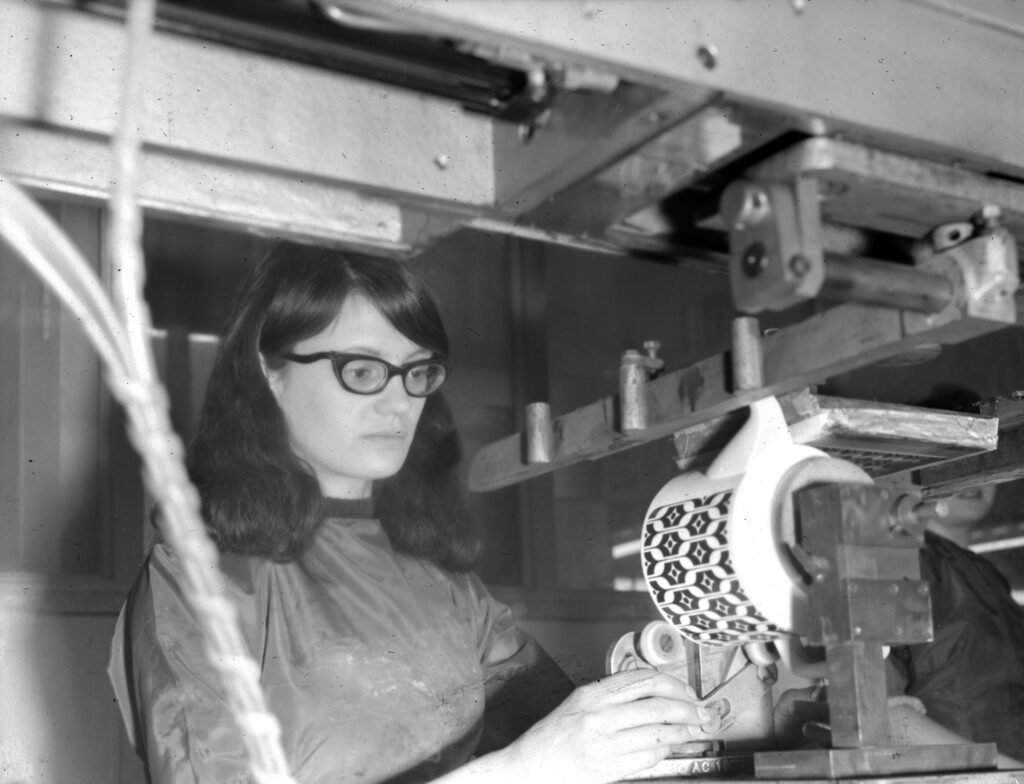
Plastic Processing Operator
Introduction to Plastic Processing Operators
The role of a plastic processing operator is integral to the manufacturing industry, focusing primarily on the production and processing of plastic materials. These professionals are responsible for overseeing machinery that shapes and transforms raw plastic into usable products, which can range from packaging materials to components for various industries, including automotive, healthcare, and consumer goods. The expertise of a plastic processing operator is crucial in maintaining efficiency and quality throughout the production process.
Plastic processing operators work with a variety of advanced machinery, including injection molding machines, blow molding machines, and extrusion equipment. Each of these machines is designed to perform specific tasks in the production flow. For instance, injection molding is commonly used to create intricate shapes by injecting molten plastic into molds, while extrusion is suitable for producing long sections of plastic, such as pipes or sheets. Understanding these techniques is essential for operators, as familiarity with machinery directly impacts both the productivity and quality of the manufactured goods.
The importance of the plastic processing operator’s role extends beyond mere machine operation. These professionals are often tasked with monitoring production parameters, troubleshooting issues, and conducting regular maintenance on their equipment. Their keen attention to detail ensures that produced items meet industry standards and customer specifications. Furthermore, a plastic processing operator must be well-versed in safety protocols, as operating machinery involves inherent risks. As the demand for plastic products continues to grow, the skills and responsibilities of plastic processing operators will remain critical in driving innovation and efficiency within the manufacturing sector.
Key Responsibilities of a Plastic Processing Operator
The role of a plastic processing operator encompasses a range of important responsibilities that are crucial for the efficient functioning of production lines in the plastics manufacturing industry. One of the primary tasks of a plastic processing operator is to set up and adjust the machinery used in the production process. This involves configuring equipment, selecting appropriate molds and tools, and ensuring that the machinery is calibrated for optimal performance. The operator must be familiar with different types of plastic processing methods, such as injection molding, extrusion, or blow molding, and be prepared to tailor the setup accordingly.
Once the machines are set up, the plastic processing operator oversees the running of production lines. This requires a keen ability to monitor the operation of multiple machines simultaneously. They are responsible for ensuring that production runs smoothly and efficiently, and that product specifications are met. Regular checks on machine function, temperature, and pressure are essential during this stage to prevent defects and production downtimes.
Quality control is another critical responsibility for plastic processing operators. They are tasked with performing frequent quality checks throughout the production process to ensure that all items meet the required standards and specifications. If any issues arise, such as defects in the molded products, the operator must troubleshoot the machinery and implement corrective actions immediately.
In addition to these responsibilities, maintaining the machinery plays a vital role in a plastic processing operator’s duties. Regular maintenance and cleaning of machines help to extend their lifespan and ensure consistent production quality. This often requires the operator to conduct routine inspections and to follow maintenance schedules diligently.
Essential Skills for Plastic Processing Operators
A plastic processing operator must possess a diverse set of skills that are crucial for their successful execution of duties in the production environment. One of the primary competencies required for this role is technical proficiency. Operators need to understand various plastic processing machines and their functionalities. This understanding allows them to operate machinery effectively, troubleshoot potential issues, and execute maintenance tasks, ensuring minimal downtime during operations.
In addition to technical abilities, strong problem-solving skills are essential for a plastic processing operator. The manufacturing process can present unexpected challenges, such as equipment malfunctions or deviations in product quality. Operators must be adept at analyzing these situations, identifying root causes, and implementing effective solutions promptly. The ability to think critically and make informed decisions plays a significant role in maintaining continuous production and adhering to quality standards.
Attention to detail is another vital skill that plastic processing operators must cultivate. The production of plastic products often involves precise measurements and specifications. Operators need to monitor the production process closely to ensure that every aspect complies with regulatory requirements and quality benchmarks. This meticulous approach not only minimizes waste but also enhances overall product durability and reliability.
Lastly, teamwork is paramount in ensuring smooth collaboration within the manufacturing environment. Plastic processing operators often work alongside engineers, quality control specialists, and other personnel to achieve production goals. Strong communication and interpersonal skills foster a collaborative atmosphere, allowing operators to share insights, report issues effectively, and contribute to ongoing improvements in production processes.
The combination of these skills—technical abilities, problem-solving, attention to detail, and teamwork—enables plastic processing operators to ensure efficient production processes and uphold product quality, thereby enhancing the overall performance of the manufacturing unit.
The Machinery Used by Plastic Processing Operators
Plastic processing operators play a pivotal role in the manufacturing of plastic products, working with specialized machinery that forms the backbone of production processes. The primary machines used by these operators include extruders, injection molders, and blow molders, each serving distinct purposes in the fabrication of plastic items.
Extruders are critical for the continuous production of plastic materials. These machines melt raw plastic pellets and force them through a die, shaping the liquid plastic into various forms, such as sheets, films, or profiles. The extruder operates under controlled temperature and pressure to ensure a uniform output. Plastic processing operators must monitor the extrusion process, adjusting parameters to maintain quality standards and prevent defects.
Injection molders are another essential tool in the plastic processing sector. These machines inject molten plastic into molds that define the final shape of the product, which could range from simple containers to intricate components used in automotive applications. The versatility of injection molding allows for high production rates, and it is crucial for an operator to manage the injection speed, temperature, and cooling time for optimal results.
Blow molders, utilized for creating hollow plastic products, operate by inflating molten plastic into a mold, making them ideal for items like bottles and containers. The operator’s expertise is vital in controlling the blowing pressure and cooling phase to ensure strength and consistency in the finished goods. Each of these machines requires a skilled plastic processing operator to effectively command their operations, ensuring efficiency and quality throughout the manufacturing process.
In conclusion, understanding the types of machinery utilized in the plastic processing industry is paramount for operators aiming to excel in their roles. Being proficient with extruders, injection molders, and blow molders not only enhances productivity but also supports the broader efficiency of plastic manufacturing processes.
Quality Control and Inspection Processes
Quality control is a critical aspect of the role of a plastic processing operator, ensuring that the final products meet the required industry standards and specifications. This responsibility encompasses multiple processes, from the initial stages of production to the final inspection of finished goods. First and foremost, plastic processing operators must familiarize themselves with the quality standards set forth by regulatory bodies and their respective organizations. These standards serve as essential guidelines for producing durable and reliable plastic components.
During the production process, operators are tasked with conducting regular inspections and monitoring various parameters, including temperature, pressure, and material consistency. Identifying any deviations from these parameters can help to minimize defects and maintain product integrity. Additionally, plastic processing operators utilize specialized equipment, such as calipers and micrometers, to measure product dimensions accurately and ensure they adhere to specified tolerances. This high level of precision is paramount, as even minor discrepancies can lead to significant issues in product performance.
Another crucial aspect of quality control involves the identification and evaluation of defects. Plastic processing operators must be adept at identifying visual imperfections—such as discoloration, surface irregularities, or structural weaknesses—that could compromise product quality. Establishing a systematic approach to inspecting each batch of products allows operators to rectify issues promptly and avoid further complications down the production line. By employing standard operating procedures (SOPs) for inspections and documentation, plastic processing operators can ensure traceability and accountability in the manufacturing process.
In summary, the quality control and inspection processes play an invaluable role in the responsibilities of a plastic processing operator, directly impacting the reliability and efficacy of the final products. A keen eye for detail, adherence to regulatory standards, and a proactive approach to identifying defects are essential skills for success in this field.
Safety Standards in Plastic Processing
Safety is paramount in the field of plastic processing, and plastic processing operators are primarily responsible for following established safety protocols to ensure a secure working environment. The industry heavily emphasizes compliance with safety regulations. Organizations such as OSHA (Occupational Safety and Health Administration) set forth standards tailored for manufacturing environments, where plastic materials are handled and processed. Adherence to these regulatory guidelines is crucial for minimizing workplace hazards.
Plastic processing operators should be well-versed in potential risks associated with their work. These might include exposure to harmful chemicals, heat-related injuries from machinery, and risks associated with incorrect handling of raw plastics. Operators are trained not only to recognize these hazards but also to implement preventive measures to mitigate risks. For instance, maintaining proper ventilation is essential when working with certain plastics that may release toxic fumes during processing.
Moreover, the use of personal protective equipment (PPE) is non-negotiable in ensuring operator safety. Essential PPE includes gloves, safety glasses, earplugs, and masks, which collectively help protect the operators from chemical exposure and physical injuries. Plastic processing operators must inspect their PPE regularly to confirm it is in good working condition. Familiarity with emergency protocols is also critical; operators should know how to respond to accidents or malfunctions, such as leaks or equipment failures.
In summary, a comprehensive understanding of safety standards and an unwavering commitment to following these guidelines are vital for plastic processing operators. Implementing rigorous safety measures not only protects the operators themselves but also fosters a productive and efficient working environment, ultimately benefiting the entire manufacturing process.
Career Path and Advancement Opportunities
The journey of a plastic processing operator typically begins with a high school diploma or equivalent qualification. While advanced education is not always mandatory, obtaining a technical associate degree in manufacturing, engineering technology, or a related field can provide a competitive edge in the job market. Vocational training programs often offer specialized courses in machine operation and plastic processing, equipping candidates with essential skills specific to the role.
Upon entering the workforce, new plastic processing operators usually start in entry-level positions, where they receive on-the-job training. This real-world experience is crucial for gaining knowledge of the various types of machinery used in plastic processing, including injection molding, extrusion, and blow molding machines. Training may also cover preventive maintenance, quality control practices, and safety protocols, all of which are vital in ensuring efficient operations.
As operators gain experience, they have opportunities to advance to supervisory or managerial positions. Many companies promote from within, rewarding skilled operators with roles that involve overseeing teams or managing projects. Additional certifications from recognized industry organizations, such as the National Institute for Certification in Engineering Technologies (NICET), can further enhance career prospects. Specializations in areas like process improvement or quality assurance may also open up pathways to roles in production management or plant operations.
The evolving landscape of the plastics industry, characterized by advancements in technology and materials, means that continuous learning is crucial for professional growth. Participating in workshops and seminars can help plastic processing operators stay updated on industry trends and best practices. Ultimately, dedicated professionals can expect a dynamic career, with the potential for upward mobility within the sector as they hone their skills and expertise.
Challenges Faced by Plastic Processing Operators
The role of a plastic processing operator encompasses a variety of responsibilities, making it essential for professionals in this field to adeptly navigate numerous challenges. One prominent issue is machinery malfunctions, which can occur unexpectedly and lead to significant downtime. Whether it involves mechanical failures or technical glitches, these incidents necessitate operators to have a strong understanding of the equipment to troubleshoot effectively. Implementing a regular maintenance schedule and conducting thorough inspections can mitigate some risks associated with equipment reliability.
Quality control is another vital area that presents difficulties for plastic processing operators. The quality of the finished product can be affected by many factors including material selection, processing conditions, and operator skills. Inconsistent quality can result in waste and customer dissatisfaction. To address this challenge, operators should engage in continuous training and adopt standardized operating procedures that emphasize quality checks at different stages of the production process. Utilizing advanced technology for monitoring and data analysis can also enhance quality assurance efforts.
The physical demands of the job further complicate the role of a plastic processing operator. Operators often need to handle heavy materials, stand for prolonged periods, and maintain focus in a fast-paced environment. This can lead to fatigue and occupational hazards. To overcome these physical challenges, operators should practice proper ergonomics, utilize lifting aids, and take regular breaks to ensure they remain alert and safe during their shifts. Additionally, organizations can play a crucial role in promoting a healthy workplace by providing wellness programs that support physical and mental well-being.
In conclusion, while plastic processing operators face numerous challenges such as machinery malfunctions, quality control issues, and physical demands, adopting proactive strategies can significantly enhance their ability to perform efficiently in their role. By focusing on maintenance, training, and workplace health, operators can successfully navigate these obstacles and contribute to the overall productivity of their operations.
The Future of Plastic Processing Operators
The role of plastic processing operators is poised for significant evolution in the coming years, influenced by advancements in technology, a growing emphasis on sustainability, and the changing dynamics of the manufacturing sector. As industries strive for greater efficiency, plastic processing operators will be expected to adapt to new machinery and automated systems that enhance production capabilities. Modern facilities are increasingly integrating robotics and artificial intelligence, which necessitate that operators develop a new set of skills to manage and oversee these technologies effectively.
Moreover, sustainability has become a crucial focus within the plastic manufacturing industry. The demand for eco-friendly materials and processes is on the rise, pushing plastic processing operators to incorporate sustainable practices into their workflows. This shift is likely to involve the use of biodegradable plastics, recycling initiatives, and strategies for reducing waste. Operators who are proactive in embracing these developments will likely find themselves at the forefront of their field.
Furthermore, as regulatory frameworks surrounding plastic usage tighten globally, plastic processing operators will also need to stay informed about compliance standards. This includes awareness of environmental regulations and company policies aimed at reducing the carbon footprint. Continuous learning and professional development will be essential in equipping operators with the necessary knowledge to navigate these complexities.
In conclusion, the future outlook for plastic processing operators is increasingly promising. With the rise of new technologies, a focus on sustainable manufacturing, and the need for compliance with regulatory standards, individuals in this profession will play a pivotal role in shaping the future of the industry. As these operators adapt to the evolving landscape, they will not only enhance their skillset but also contribute to a more sustainable and efficient manufacturing environment.